A Guide to Powder Coated Aluminium Windows Frame
Powder coated aluminium window frames are fabricated using extruded aluminium profiles that undergo a sophisticated finishing process. This technique involves applying a dry powder electrostatically to the surface of the aluminium, which is then cured under heat to form a hard, durable, and uniform layer.
 A primary advantage of this method is the extensive and rich color palette available. Powder coated aluminium profiles offer a vast spectrum of colors, ranging from subtle neutrals to vibrant and bold tones. This versatility allows for perfect aesthetic integration with any architectural style or interior design scheme. The finish can also be customized with various textures, including matte, satin, gloss, and even metallic effects, providing unparalleled design freedom. Beyond its visual appeal, the powder coating enhances the inherent durability of aluminium, providing superior resistance to chipping, scratching, fading, and corrosion, ensuring a long-lasting and low-maintenance solution for modern fenestration.
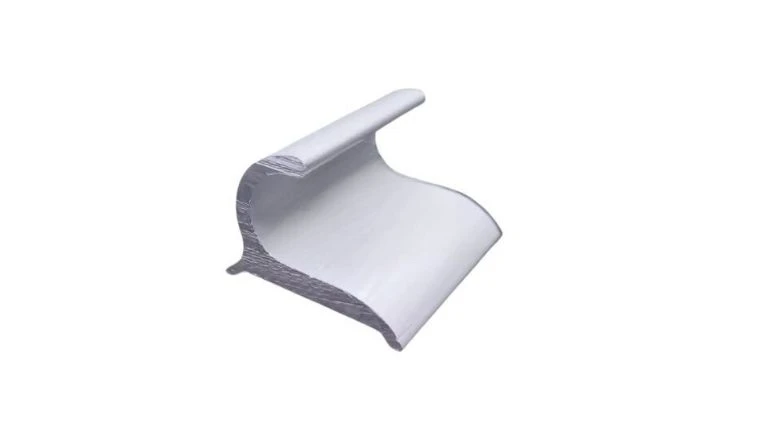
Powder Coated Aluminum Profile
Powder coated aluminium profiles are typically made from high-grade 6063 or 6060 alloys. These alloys are first shaped by extrusion, a process that allows for complex and precise cross-sectional designs with wall thicknesses commonly specified at 1.4 mm, 1.6 mm, or 2.0 mm to meet varying structural demands. After extrusion, the profiles are strengthened through a T5 heat treatment.
The final step is the application of a durable powder coating, typically applied to a thickness of 60–120 micrometers (μm). This process provides a resilient and colorful finish, making the profiles ready for fabrication into various window and door systems.


Color of Powder Coated Aluminum Windows
Powder coated aluminium windows offer exceptional color versatility. The process allows for the application of any color from the extensive RAL color system, ensuring a perfect match for any architectural style.
Beyond the vast color selection, the finish can be customized to achieve the desired aesthetic. The primary options include matte, for a modern, non-reflective look, and gloss, for a vibrant, high-shine appearance, providing complete control over the final look of the window frames.

Aluminium Windows Thermal Insulation
To address the inherent conductivity of aluminium, modern window frames utilize a “thermally broken” design. This advanced construction method involves connecting two separate aluminium extrusions—one for the interior and one for the exterior—with a polyamide insulating strip, known as a thermal break. This strip acts as a highly effective barrier, preventing the transfer of heat or cold through the frame. Aluminium windows engineered with this technology exhibit significantly improved thermal performance, achieving insulation levels that can meet or even exceed those of PVC windows. Furthermore, this composite construction also contributes to enhanced sound insulation, making them an excellent choice for energy-efficient and quiet buildings.

Structural Types of Aluminium Windows
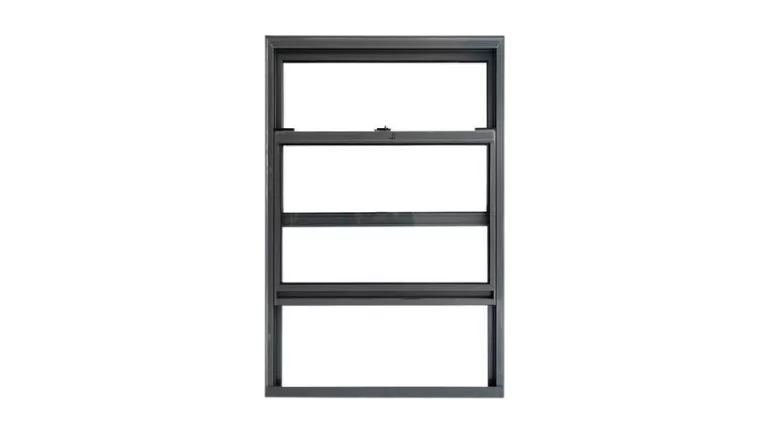
The combination of strong, precision-extruded aluminium profiles and specialized hardware systems allows for the fabrication of a wide variety of window structures. This flexibility ensures that powder coated aluminium windows can be tailored to meet specific functional requirements and design aesthetics. Common structural types include:
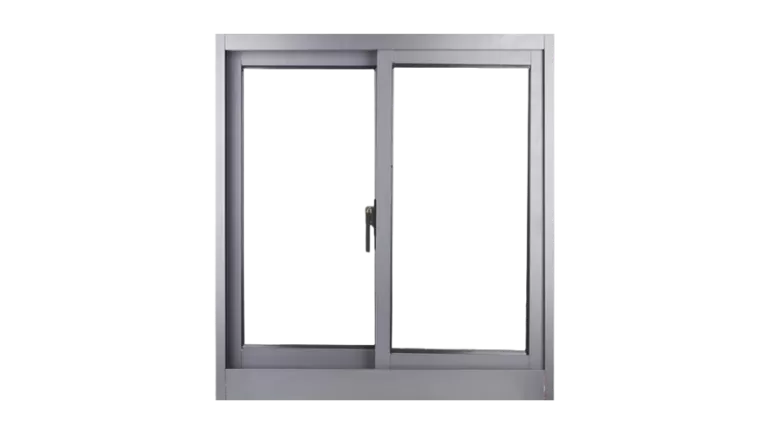
Sliding Windows: Ideal for spaces with limited room, these windows feature one or more panels that glide horizontally along tracks.
Casement Windows: Hinged at the side, these windows swing outward or inward, providing excellent ventilation and an unobstructed view.
Folding Windows (Bi-Fold): Featuring multiple panels that fold and stack neatly to one side, these windows can open up an entire wall, seamlessly connecting indoor and outdoor spaces.
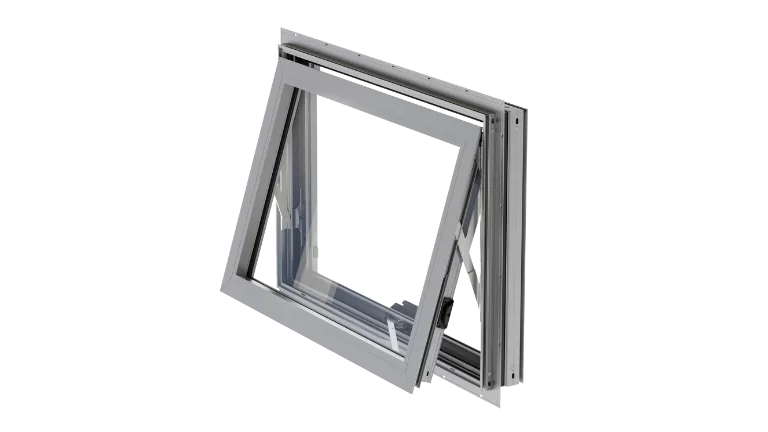
Awning Windows (Top-Hung): Hinged at the top, they swing outward from the bottom, allowing for ventilation even during light rain.
Tilt and Turn Windows: This versatile design offers dual functionality. It can tilt inward from the top for secure, draft-free ventilation or swing fully inward like a casement window for easy cleaning and maximum airflow.



Assembly Method
The structural integrity and clean aesthetic of powder coated aluminium windows are largely achieved through a precise assembly method using corner cleats. The mitered corners of the aluminium profiles are cut at a 45-degree angle. A metal corner cleat, often made of aluminium or steel, is then inserted into the hollow chambers of the two profiles to be joined.
This cleat is securely fixed in place, often using screws, crimping, or a specialized adhesive, to create a strong, rigid, and weather-tight corner joint. This method ensures that the final window frame is robust, dimensionally stable, and maintains a sharp, seamless appearance at the corners.

Powder Coated vs. Anodized Aluminium Windows
Powder coated aluminium windows offer significant advantages in terms of color selection, cost-effectiveness, and design flexibility. The powder coating process allows for an extensive range of colors and textures, including wood grain and metallic effects, catering to diverse architectural aesthetics. In contrast, anodized aluminium windows have a more limited color palette, typically restricted to electrolytic coloring options like silver and champagne gold. Furthermore, powder coating is a more cost-effective production method, making it suitable for large-scale projects. Anodizing, being a more complex and expensive process, is generally reserved for high-end buildings or specialized environments such as coastal or industrial areas. However, anodized aluminium provides superior hardness and corrosion resistance, as its protective oxide layer is integral to the aluminium substrate, making it highly durable and resistant to chipping or peeling in demanding conditions.

Powder Coated vs. Electrophoretic-Coated Aluminium Windows
Powder coated aluminium windows exhibit better weather resistance and have a thicker coating compared to electrophoretic-coated (e-coated) aluminium windows. The powder coating process creates a substantial protective layer, typically 60-120 micrometers thick, which effectively resists UV radiation, acid rain, and mechanical abrasion. The electrophoretic coating is considerably thinner (around 20-30 micrometers), making it more susceptible to aging and fading over long-term outdoor exposure. While powder coating offers a wider array of colors and finishes, including matte, gloss, and special effects, e-coating is generally limited to a narrower range of monochromatic colors. Nevertheless, the electrophoretic process provides more uniform coverage on complex shapes with intricate grooves or hollow sections, making it an excellent choice for precision hardware or automotive parts where complete, even coating is critical.

Powder Coated Aluminium vs. PVC Windows
Powder coated aluminium windows far surpass PVC windows in terms of strength, weather resistance, and lifespan. The inherent strength of aluminium provides superior wind load resistance and dimensional stability, making it ideal for high-rise buildings and storm-prone regions, whereas PVC can become brittle, warp, or crack after prolonged sun exposure. Aluminium also offers excellent high-temperature resistance (withstanding over 200°C) and a higher fire safety rating; PVC, in contrast, can soften or release hazardous gases when exposed to high heat. Although PVC windows may have a lower initial cost and slightly better inherent thermal insulation, modern thermally broken aluminium windows significantly enhance energy efficiency. With a lifespan of 30-50 years, aluminium windows offer a much higher long-term return on investment compared to PVC’s typical 10-15 years. Environmentally, aluminium is 100% recyclable, while discarded PVC presents significant disposal challenges and potential pollution risks.

Durability of Powder Coated Aluminium Windows
The overall durability of a powder coated aluminium window is a function of its three primary components: the aluminium frame, the surface finish, and the hardware.
The aluminium alloy frame forms the structural core and is exceptionally long-lasting. It is inherently resistant to corrosion and will not rust, warp, or rot, capable of maintaining its structural integrity for a century or more.
The powder coating finish provides both aesthetic appeal and a crucial protective layer. Its longevity is dependent on the quality of the powder and the thickness of its application. A high-quality coating can resist fading, chalking, and peeling for 10 to 20 years, effectively shielding the underlying aluminium from environmental factors.
Finally, the lifespan of the hardware varies significantly with the window’s structural type and complexity. Simpler mechanisms, such as those in sliding windows, involve fewer moving parts and are subject to less stress, making them extremely durable and rarely prone to failure. In contrast, complex systems like those in folding (bi-fold) windows involve intricate hinges, rollers, and tracks that bear significant loads and undergo frequent movement. This complexity makes them more susceptible to wear and tear, and potentially requiring maintenance or replacement sooner than simpler hardware systems.

Can You Paint Aluminum Windows?
Yes, it is entirely possible to paint aluminum windows, making it a viable option for refurbishment or aesthetic updates. Over time, even a durable factory finish like powder coating may fade, or a property owner may simply wish to change the color scheme to match a new design.
The process of repainting is an effective way to restore the window’s appearance and extend its life. However, for a successful and long-lasting result, proper surface preparation is critical. Before applying a new coat of paint, the existing old finish must be completely stripped from the aluminum profiles.