Hard Anodized Aluminum Profiles Type III anodizing
Hard anodizing is a specialized aluminum surface treatment that creates a thick, dense oxide layer on the surface of aluminum profiles. Compared to standard anodizing, hard anodised aluminium offers significantly improved surface hardness, wear resistance, and durability for demanding environments.
Hard anodizing aluminum is widely used in industrial components, machinery parts, and precision applications where long service life and surface performance are critical. It is especially suitable for extruded aluminum profiles requiring enhanced mechanical properties and stable surface protection.

What is Hard Anodizing
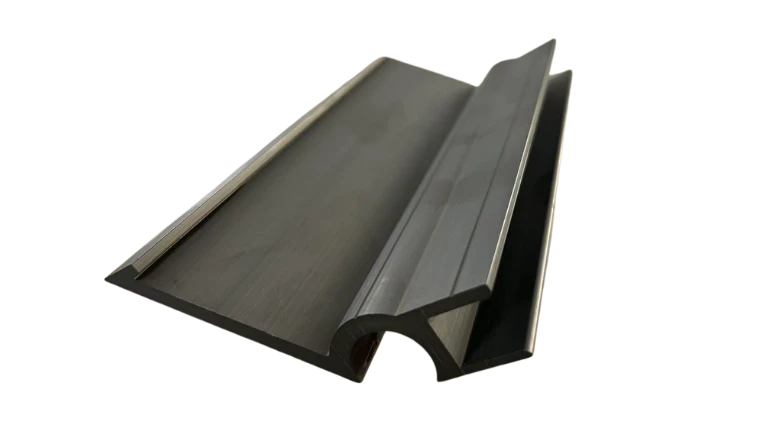
Hard anodizing is an electrochemical process that forms a thick and highly durable oxide layer on aluminum surfaces. This layer becomes an integral part of the material, providing superior hardness and resistance to wear compared to standard anodizing.
Unlike conventional anodizing (Type II), which is mainly used for decorative purposes, hard anodizing (Type III anodizing) produces a much thicker and denser coating. This makes it suitable for industrial and high-performance applications where strength, durability, and reliability are required.
Type II vs Type III Anodizing
Anodizing is generally classified into Type II and Type III based on coating thickness, surface hardness, and performance characteristics. Choosing the right type is important for achieving the desired balance between appearance and durability.
| Property | Type II Anodizing | Type III Anodizing (Hard Anodizing) |
|---|---|---|
| Thickness | 5–25 μm | 25–100 μm |
| Surface Hardness | Moderate | High (wear-resistant) |
| Appearance | Smooth, decorative | Darker, less uniform |
| Color Options | Wide range (black, bronze, gold, etc.) | Limited (typically dark grey to black) |
| Main Application | Decorative, architectural | Industrial, high-wear parts |
Type II anodizing produces a thinner oxide layer with a smooth and decorative finish. It supports a wide range of colors and is widely used for architectural aluminum profiles where appearance is a priority.
Type III anodizing, also known as hard anodizing or type 3 anodizing, forms a much thicker and denser oxide layer. This results in significantly higher surface hardness and improved wear resistance. Due to its dense structure, the natural color of hard anodised aluminium is typically darker, and color consistency is more limited compared to Type II.
Hard Anodizing Thickness & Surface Properties
Hard anodizing creates a thick and dense oxide layer on aluminum surfaces, significantly improving mechanical performance and durability. Compared to standard anodizing, a hard anodized surface offers enhanced resistance to wear and harsh environments.
Thickness Range
The coating thickness of hard anodizing typically ranges from 25 to 100 microns, depending on application requirements. Thicker coatings provide better wear resistance and longer service life, especially in demanding industrial conditions.
Surface Hardness
Hard anodizing greatly increases surface hardness, often reaching 400–600 HV or higher depending on alloy and process parameters. This hardness improves resistance to abrasion, friction, and surface damage.
Wear Resistance
A hard anodized finish offers excellent wear resistance, making it suitable for components exposed to repeated friction or mechanical contact. It is widely used in machinery parts, sliding components, and high-performance industrial applications.
Hard Anodizing Process
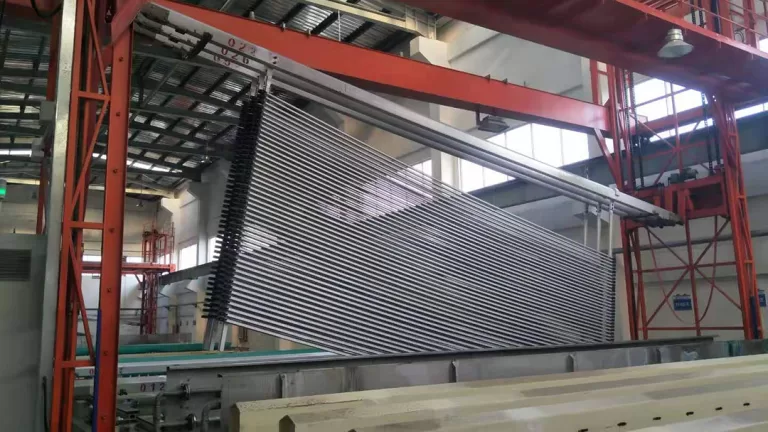
Hard anodizing is an electrochemical process that forms a thick and dense oxide layer on aluminum surfaces. The process is carefully controlled to achieve the required coating thickness, hardness, and performance.
Pretreatment
Aluminum profiles are cleaned and pre-treated to remove oil, dirt, and surface impurities. This step ensures uniform surface quality and prepares the material for consistent anodizing.
Electrochemical Oxidation
During this stage, aluminum is subjected to an electrochemical reaction in an electrolyte solution, forming a dense oxide layer. Process parameters such as temperature, current density, and time are controlled to achieve hard anodizing (Type III anodizing) with the desired thickness and hardness.
Sealing
Sealing closes the pores of the anodized layer, improving corrosion resistance and long-term durability. Depending on application requirements, different sealing methods can be applied.
Applications of Hard Anodized Aluminum Profiles
Hard anodized aluminum is widely used in applications requiring high surface hardness, wear resistance, and long-term durability. It is especially suitable for components exposed to friction, mechanical stress, or harsh environments.
Industrial Machinery Components
Hard anodized aluminum is commonly used for machine parts such as guide rails, housings, and structural components where wear resistance and durability are critical.
Transportation Parts
In automotive and transportation systems, hard anodizing improves surface strength and resistance to abrasion, making it suitable for functional components and lightweight structures.
Aerospace Components
Hard anodized aluminum is used in aerospace applications where high strength-to-weight ratio and surface durability are required under demanding operating conditions.
Sliding & Wear Parts
Components exposed to repeated friction, such as sliding parts, tracks, and contact surfaces, benefit from the high hardness and wear resistance of hard anodized finishes.
Electronic Components
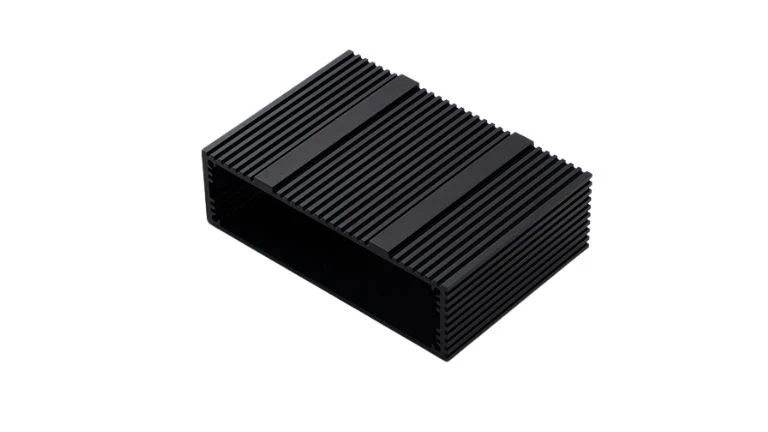
Hard anodized aluminum is applied in heat sinks and electronic housings, offering stable performance, surface protection, and improved durability in thermal environments.
Structural Profiles
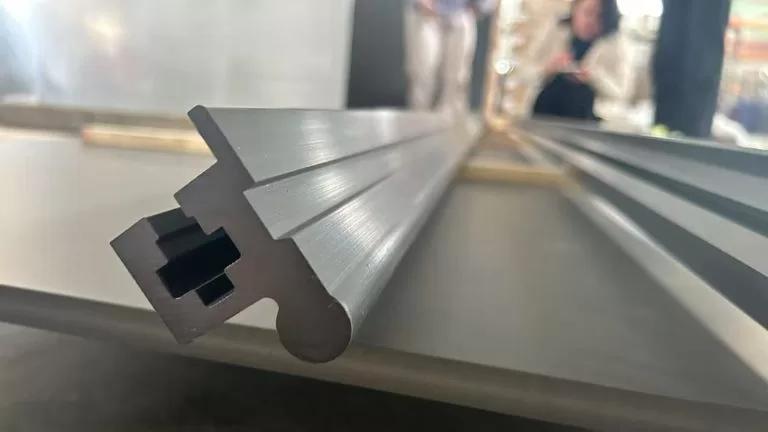
Extruded aluminum profiles with hard anodized surfaces are used in industrial frameworks and equipment where both structural strength and surface protection are required.
Lorem ipsum dolor sit amet, consectetur adipiscing elit. Ut elit tellus, luctus nec ullamcorper mattis, pulvinar dapibus leo.
Colors of Hard Anodized Aluminum
Hard anodizing does not rely on dyeing to create colors. Instead, the appearance is a natural result of the anodizing process and the properties of the aluminum alloy.
Due to the thick and dense oxide layer, hard anodized aluminum typically shows natural tones such as grey, dark grey, or black. The exact color may vary depending on alloy composition, process parameters, and coating thickness, resulting in slight variations in surface appearance.

Natural Grey / Dark Grey Appearance
Grey or dark grey is the most common natural color of hard anodized aluminum. It reflects the dense oxide layer formed during the process and is widely used for industrial applications.
Natural Dark / Black Tone
In some cases, hard anodized aluminum may appear darker or close to black. This is influenced by alloy composition and process conditions rather than added color.
Color Variation by Alloy
Different aluminum alloys can produce slightly different tones after hard anodizing. Variations in elements such as silicon or copper may affect the final surface color and uniformity.
Hard anodizing focuses on performance and durability rather than decorative color flexibility.
Advantages of Hard Anodizing
Hard anodizing provides significant performance improvements compared to standard anodizing, making it ideal for demanding industrial applications.
Thickness of Hard Coat Anodizing Layers
The oxide layer thickness achieved through hard anodizing far surpasses that of standard anodizing. Hard anodizing can produce oxide layers ranging from 25 to 150 microns, depending on the specific application and process parameters. This thick and dense layer provides exceptional hardness and resistance to wear and corrosion. In contrast, standard anodizing typically produces a thinner oxide layer, usually between 5 to 25 microns, which is sufficient for decorative or light-duty applications but lacks the durability required for demanding environments. This significant difference in oxide layer thickness makes hard anodizing the preferred choice for industrial and high-performance uses.
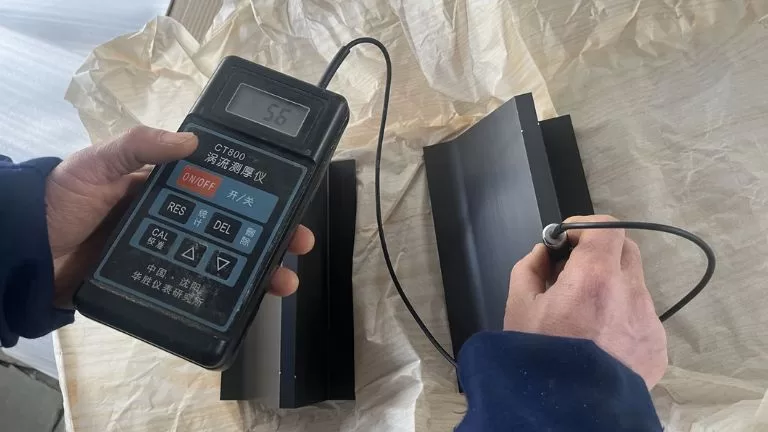
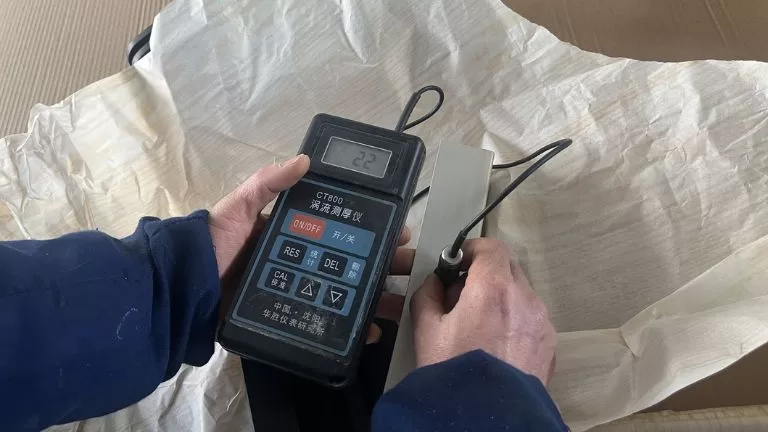
The above aluminum profiles are used for the same project, with hard anodizing applied for outdoor use and regular anodizing for indoor use.
Hardness of Hardcoat Anodizing Layers
The oxide layer produced by hard anodizing is renowned for its exceptional hardness, making it ideal for high-performance and industrial applications. The hardness of the oxide layer can reach up to 400-600 HV (Vickers Hardness), depending on the alloy and process parameters. Compared to standard anodizing, which typically achieves a hardness of 200-300 HV, hard anodizing provides significantly greater wear resistance, scratch resistance, and durability. As a result, hard anodized aluminum is commonly used in applications requiring high durability, such as aerospace, automotive, and machinery components. The hard and thick oxide layer ensures long-term performance even in harsh or heavy-use environments.

Thermal and Electrical Properties
The hard anodized oxide coating offers remarkable thermal resistance, making it suitable for applications involving high temperatures, such as heat exchangers, industrial machinery, and electronics housings. This durable oxide layer ensures stable performance even under elevated thermal conditions, enhancing the longevity and reliability of the components. Additionally, the hard anodized surface provides excellent electrical insulating properties, which are highly beneficial in applications requiring non-conductive materials, such as electrical insulators and housings for electronic components. These combined thermal and electrical properties make hard anodized aluminum a versatile material for demanding industrial and technical applications.
Better Corrosion Resistance
The thick and dense oxide layer created by hard anodizing provides excellent corrosion resistance, effectively protecting aluminum from chemical exposure, saltwater, and moisture. With a coating thickness of 25 to 150 microns, hard anodized aluminum is ideal for marine environments, industrial applications, and outdoor use, where it withstands harsh conditions. In salt spray tests, it can resist corrosion for up to 1,000 hours or more, ensuring long-term durability even in extreme environments.
Custom Hard Anodized Aluminum Profiles
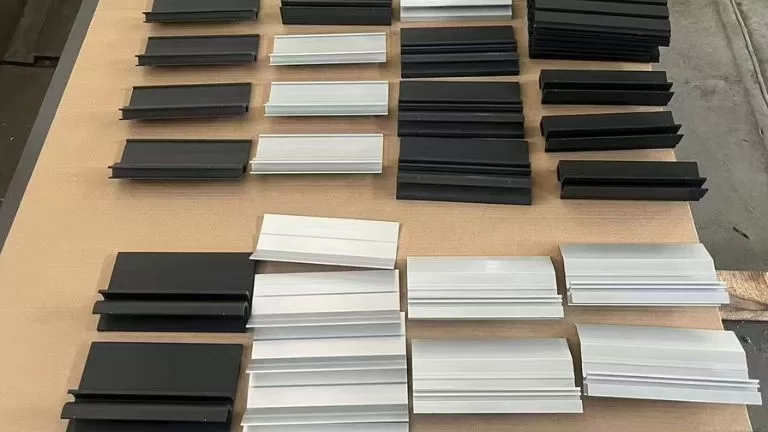
We specialize in providing custom hard anodized aluminum profiles designed to meet your specific requirements. With 40 advanced extrusion production lines, including a 6000-ton extrusion press—one of the largest available—we have the capability to produce aluminum profiles in a wide range of sizes and shapes. To ensure a complete and efficient supply chain, our facilities are equipped with comprehensive post-processing services, including machining, cutting, drilling, tapping, and surface treatments, tailored to your specifications. This combination of large-scale production capacity and precise secondary processing allows us to deliver high-quality aluminum profiles suited for diverse industries, such as aerospace, automotive, construction, and electronics.