Custom Anodized Aluminum Heat Sinks
HTS-ALU manufactures custom anodized aluminum heat sinks to your drawings, with black, clear and other color options. We combine aluminum extrusion, CNC machining and anodizing to meet your profile, mounting and surface finish requirements.
Send us your drawings, required quantity and finish specifications for a manufacturing review and tailored quotation.

Anodized Heat Sinks for Protection & Appearance

Anodizing forms a protective oxide layer on aluminum heat sinks, improving corrosion resistance and providing a decorative finish. Black, clear and colored options can suit exposed components, equipment housings and assemblies where surface protection and appearance are important.
The finish should be specified alongside the alloy, operating environment and assembly requirements. Coating thickness, color consistency and masking of thermal contact surfaces, precision fits or grounding points should be reviewed before production.
For other profile types and manufacturing options, explore our custom aluminum heat sink solutions.
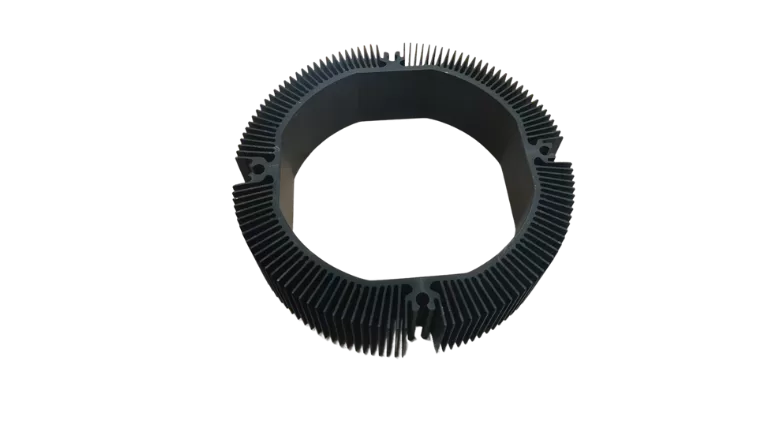
Black Anodized Heat Sinks
Black anodizing provides a dark finish for exposed heat sinks, electronic housings and equipment assemblies. Specify whether a matte, satin or brighter appearance is required, as the alloy and surface preparation influence the final result. Thermal performance should be evaluated under the intended operating conditions rather than assumed from the black color alone.
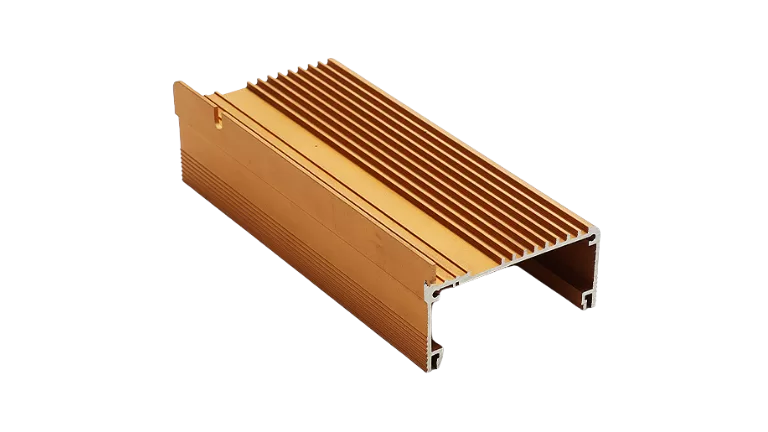
Colored Anodized Heat Sinks
Other anodized colors are available for product identification and appearance requirements, subject to sample confirmation. Provide a physical color sample or reference for evaluation; screen images and color codes alone may not fully define the finished appearance. Color consistency, gloss and acceptable variation should be agreed against an approved sample before batch production.
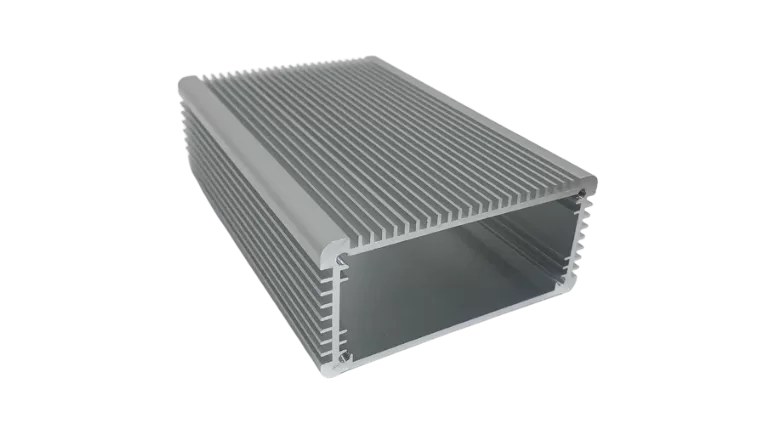
Clear Anodized Heat Sinks
Clear anodizing, also called natural or silver anodizing, retains an aluminum appearance while adding surface protection. The final tone and texture depend on the alloy, original surface condition and pretreatment. For visible assemblies, identify cosmetic surfaces and any limits on extrusion lines, machining marks or rack contact marks.
Anodized Heat Sink Profiles & Custom Designs
Anodizing options can be specified for straight-fin, round, large-format and enclosure heat sinks. Each design is reviewed for alloy suitability, surface preparation, coating access and masking requirements before production.

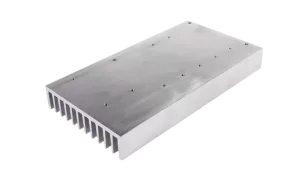
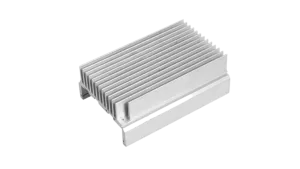
Straight Fin Heat Sinks
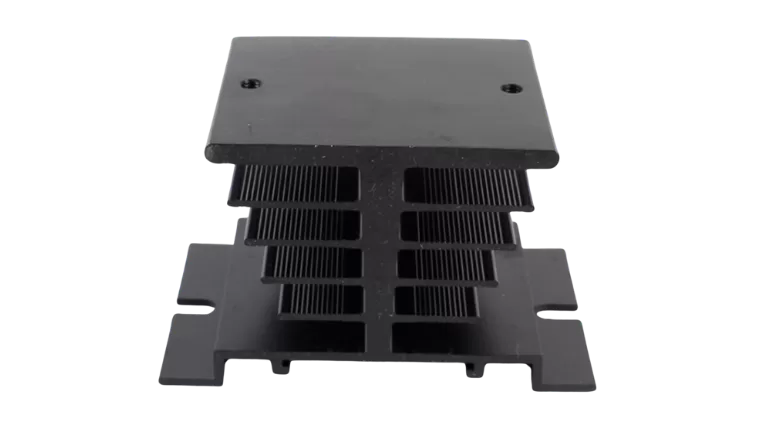
Straight-fin profiles combine a mounting base with parallel cooling fins. Black, clear or colored anodizing can be specified, with thermal contact areas and mounting features masked where required.

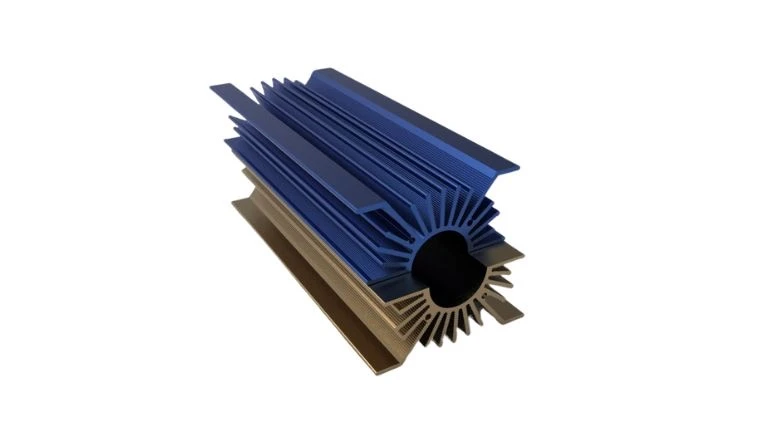
Round Heat Sinks
Round profiles can incorporate radial fins, hollow cores and internal mounting features. Anodizing requirements are reviewed alongside the diameter, fin spacing and internal geometry, particularly where surface coverage or precision fits are important.

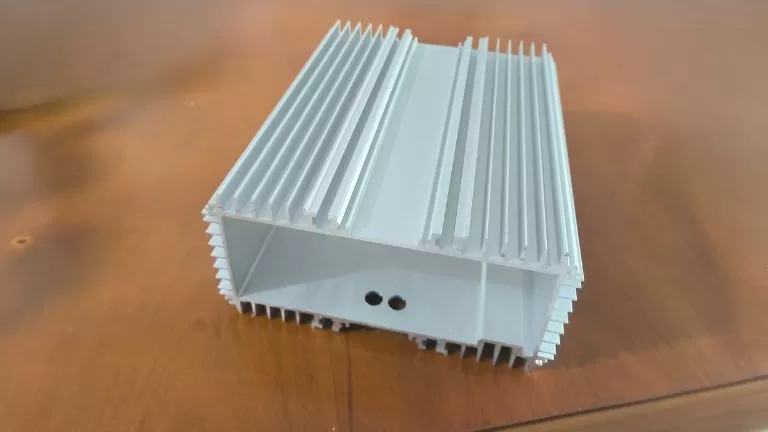
Heat Sink Enclosures
Finned enclosures combine component housing and cooling features in one profile. Finish requirements can cover both external appearance and internal assembly surfaces, with attention to cover fits, threaded connections and electrical grounding points.
Anodized Heat Sink Specifications
We manufacture anodized aluminum heat sinks to customer drawings, with specifications covering the profile, machining and final surface finish. Dimensions, coating requirements and critical assembly features are reviewed together before production.
| Spécifications | Options disponibles |
|---|---|
| Matériau | 6063-T5/T6, 6061-T6; other alloys on request |
| Taille du profil | Maximum cross-section diagonal: 406 mm; achievable dimensions depend on profile geometry, alloy and die design |
| Épaisseur de la paroi | Evaluated according to profile size and structure; base thickness and local thin sections reviewed separately |
| Fin Height, Thickness & Gap | Customized according to your drawing; achievable dimensions depend on fin height-to-gap ratio, alloy and overall cross-section |
| Anodizing & Thickness | Standard anodizing: 10–15 μm; hard anodizing thickness confirmed according to application requirements |
| Color & Texture | Black, clear/natural silver and custom colors; as-extruded, sandblasted or brushed appearance |
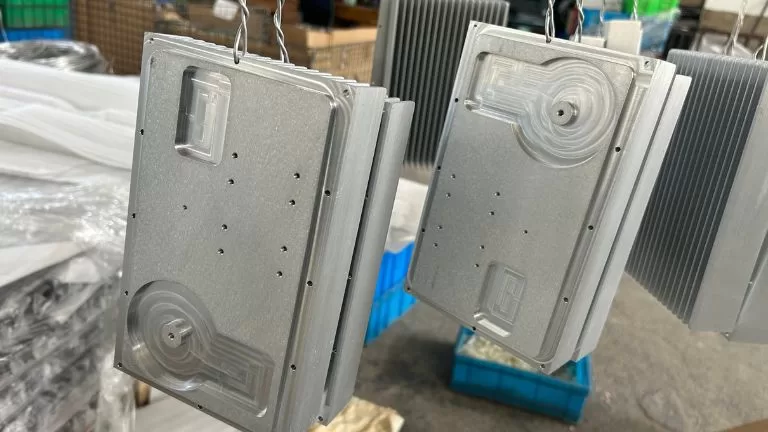
| Usinage CNC | Precision cutting, milling, drilling, tapping, slots and cutouts |
| Masking & Tolerances | Contact faces, grounding points, threads and precision fits as specified; critical tolerances confirmed for the finished part |
| Custom Logo | Laser marking, engraving or screen printing, subject to artwork and finish requirements |
Custom Manufacturing Capabilities
We provide Integrated Manufacturing for custom anodized aluminum heat sinks, from drawing review and die development to extrusion, CNC machining and final finishing. Profile dimensions, assembly features and anodizing requirements are coordinated before production.

Profile Design & Die Development
We develop extrusion dies from your drawings or samples, reviewing fin geometry, wall thickness and mounting features for manufacturability. Tooling drawings and trial samples are provided for approval before batch production.
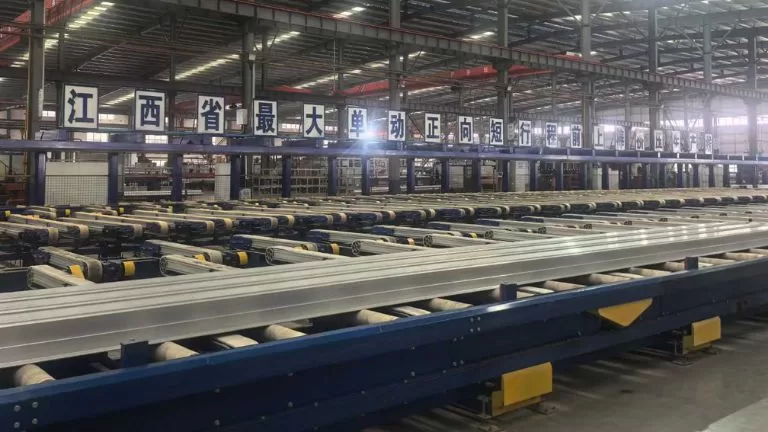
Extrusion d'aluminium
Our factory operates 40 extrusion lines, including presses up to 6,000 tons, with a maximum profile cross-section diagonal of 406 mm. Achievable dimensions depend on the alloy, profile structure and die design, with subsequent machining and anodizing capacity reviewed separately.

Usinage CNC
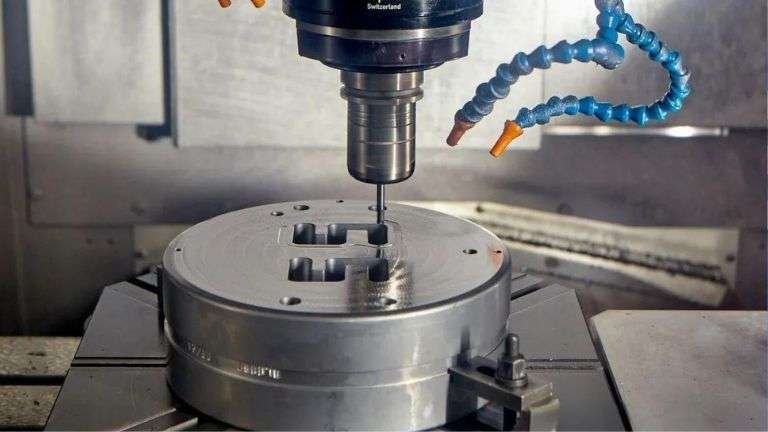
We provide precision cutting, milling, drilling, tapping, slots and custom cutouts. Critical contact faces, hole positions and mating dimensions are machined according to approved drawings, with allowances and masking requirements coordinated for anodizing.
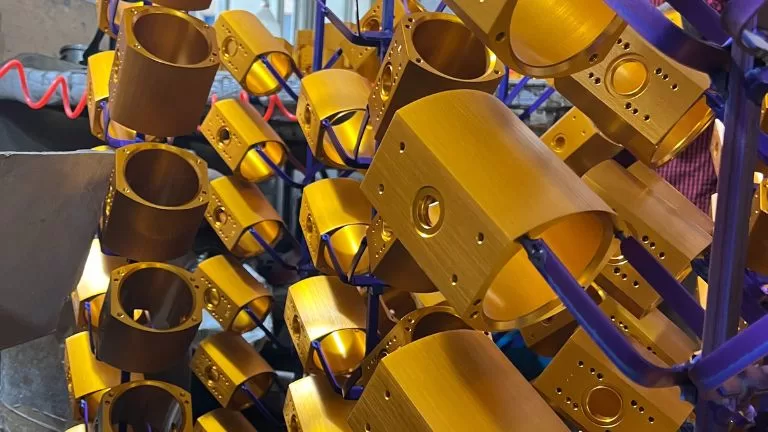
Anodizing & Inspection
Black, clear and colored anodizing options are available, with hard anodizing evaluated where specified. Coating thickness, appearance, masking and finished-part dimensions are checked against agreed requirements, followed by surface protection for delivery.
Anodized Aluminum Heat Sink Applications
Anodized aluminum heat sinks combine custom extruded profiles with surface protection and finish options for electronic and industrial assemblies. Color, coating thickness and masking requirements are selected around the operating environment, visible surfaces and component interfaces.


Why Choose Us for Anodized Heat Sinks
Custom Profiles & Tooling
We develop extrusion profiles and dies from your drawings, with trial samples approved before batch production.
Fabrication intégrée
Extrusion, CNC machining and anodizing are coordinated to meet your finished-part specifications.
Finish & Masking Options
Black, clear and colored finishes are available, with masking planned for critical contact and assembly surfaces.
Agreed Quality Checks
Coating thickness, appearance and critical dimensions are checked against requirements confirmed before production.
How Anodizing Affects Heat Sink Performance
Anodizing changes the surface properties of a heat sink rather than increasing the thermal conductivity of the aluminum itself. Its overall effect depends on thermal radiation, airflow and the contact between the heat source and the heat sink.
Thermal Radiation
Anodizing can increase surface emissivity, allowing more heat to be released through thermal radiation. The benefit depends on surface temperature, surrounding surfaces and the proportion of heat dissipated by radiation. Black color alone does not indicate a fixed improvement in cooling performance.
Natural & Forced Convection
Fin geometry, spacing, orientation and airflow remain central to convective cooling. Anodizing does not compensate for blocked fin channels or insufficient ventilation. Its contribution to overall cooling may differ between natural convection and fan-cooled installations.
Contact Heat Transfer
The anodized oxide layer adds thermal resistance where heat must pass through a coated contact surface. Component mounting faces may require masking or subsequent machining, depending on the thermal interface and assembly requirements. These areas should be identified on the drawing before production.

Machining, Masking & Critical Surfaces
Machining and anodizing should be planned together to meet the finished part’s dimensional, thermal and appearance requirements. Mark critical surfaces, masking areas and permitted rack contact locations on your drawing before production.
Thermal Contact Surfaces & Grounding Points
Component contact faces may require masking or machining after anodizing, depending on the thermal interface requirements. Electrical grounding points should be specified separately, as the anodized layer is electrically insulating and can interrupt metal-to-metal contact.
Threads & Precision Bores
Anodizing affects dimensions and may change the fit of threaded holes, locating bores and mating surfaces. Specify whether tolerances apply before or after finishing. Masking, machining allowances or subsequent finishing operations can be reviewed for critical features.
Machining & Anodizing Sequence
Machining before anodizing allows newly machined surfaces to receive the finish, except where masked. Machining afterward leaves exposed aluminum on the processed areas. The sequence is selected according to coating coverage, dimensional accuracy and contact-surface requirements.
Rack Contact Locations
Anodizing requires electrical contact between the part and its rack, which can leave localized marks or uncoated areas. Identify visible surfaces and acceptable contact locations early, so fixturing can be planned around appearance and assembly requirements.

Standard vs. Hard Anodized Heat Sinks
Standard and hard anodizing serve different surface requirements. Select the process according to corrosion exposure, wear, appearance and dimensional fit—not the assumption that a thicker coating provides better cooling.
| Consideration | Anodisation standard | Anodisation dure |
|---|---|---|
| Main Purpose | Surface protection and decorative finishes | Greater surface hardness and wear resistance |
| Utilisation typique | General heat sinks, visible fins and electronic housings | Parts with specified abrasion or wear requirements |
| Épaisseur du revêtement | 10–15 μm for our standard option, subject to specification | Generally thicker; the required thickness is confirmed according to alloy, geometry and application |
| Apparence | Clear, black and other colors confirmed by sample | Color and uniformity depend on alloy, thickness and processing conditions |
| Dimensional Impact | Coating growth must be considered for precision fits | Greater dimensional allowance may be needed, particularly for threads, bores and mating surfaces |
| Thermal Considerations | Contact surfaces and finish requirements reviewed for the assembly | A thicker oxide layer can add contact thermal resistance; hard anodizing does not automatically improve heat dissipation |

Custom Heat Sink Manufacturing Process
Fort de son expérience approfondie dans l'extrusion d'aluminium, HTS-ALU fabrique des profilés en aluminium avec une large gamme de configurations structurelles. Différentes structures de profilés nécessitent des conceptions de filières d'extrusion, des méthodes de production et des contrôles de processus différents, en fonction de la géométrie du profilé, de l'épaisseur de paroi, des exigences de résistance et des scénarios d'application.
1. Analyse de dessin
Nous acceptons les dessins CAO, les fichiers STEP, les dessins PDF et les images de référence. La mesure de profil basée sur un échantillon et le développement de dessins sont également disponibles pour les projets d'extrusion d'aluminium sur mesure.

2. Développement d'outils
Des dessins des outils seront fournis pour confirmation par le client avant la production des moules. Les nouvelles filières d'extrusion sont généralement finalisées dans un délai de 7 jours, suivies d'une extrusion d'essai et de l'approbation des échantillons avant la production en série.
3. Extrusion et Traitement Thermique
Les profilés en aluminium sur mesure sont produits par extrusion et traitements thermiques incluant les trempes T5, T6 et T66. Le temps de production pour un conteneur complet (environ 26 tonnes) est généralement d'environ 1 semaine.

4. Usinage et fabrication CNC
Services de découpe, perçage, poinçonnage, fraisage, taraudage et soudage de précision disponibles. Les dessins STEP et les exigences de tolérances d'usinage sont recommandés pour les projets de fabrication sur mesure.
5. Finition de surface
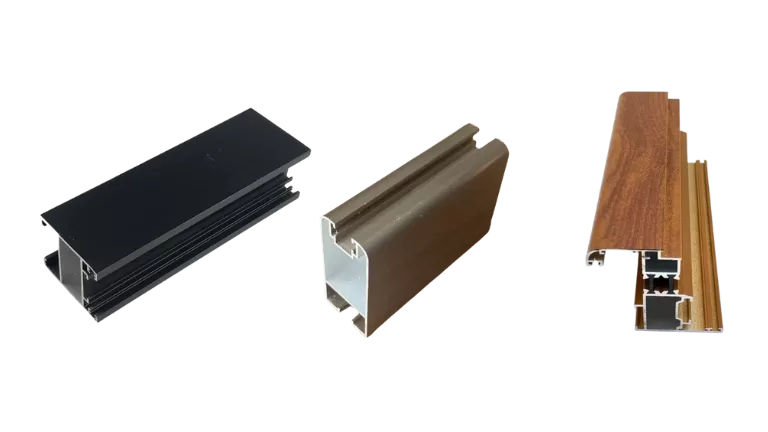
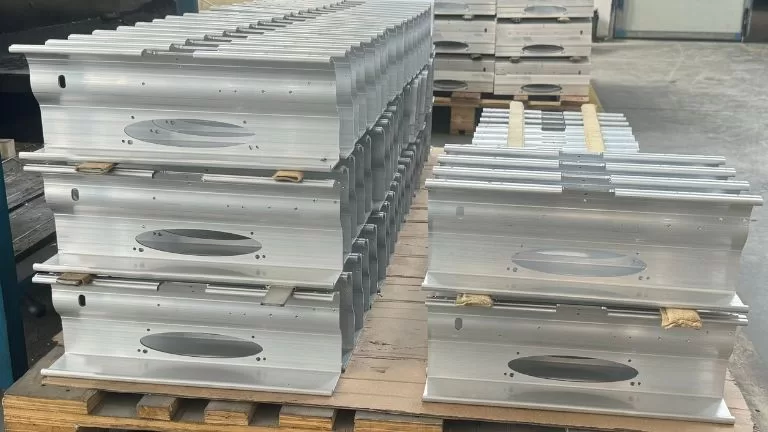
Les finitions de surface disponibles comprennent l'anodisation, l'électrophorèse, le revêtement en poudre, le revêtement PVDF, le transfert de grain de bois, le sablage et les finitions brossées. Pour les couleurs personnalisées, les clients peuvent fournir des échantillons de couleur ou des codes couleur RAL standard.
6. Emballage et expédition
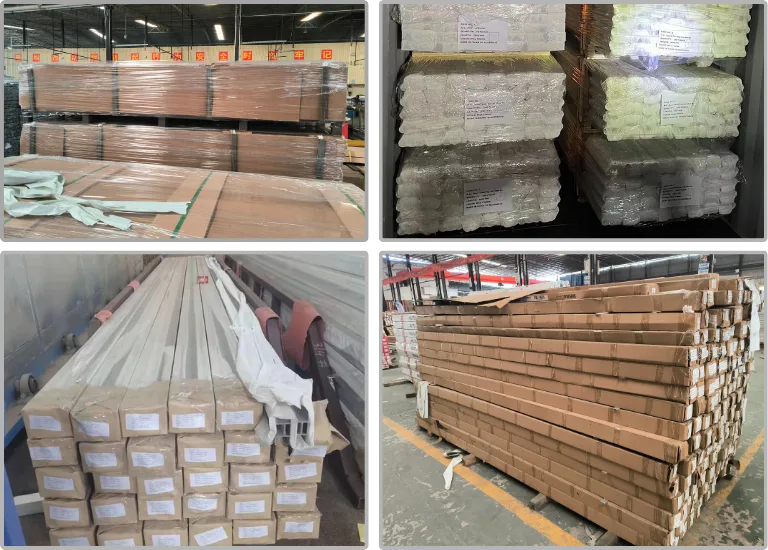
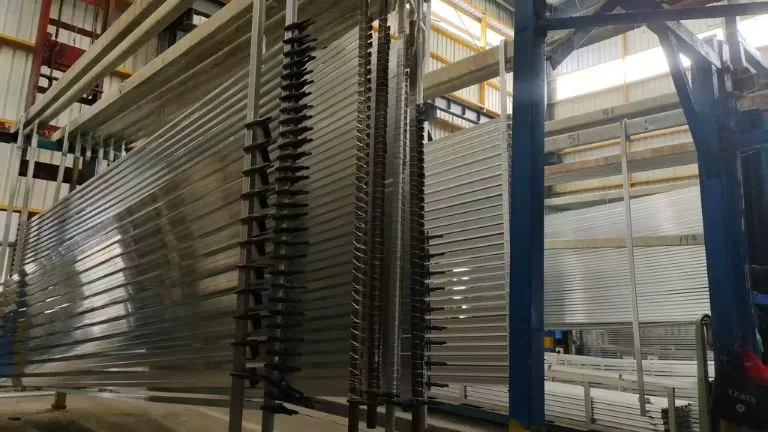
Des services d'emballage de protection, d'emballage de palettes, d'étiquetage et d'expédition à l'exportation sont disponibles selon les exigences du client. Le marquage personnalisé de logos sur les profilés en aluminium est également pris en charge.
What to Specify for an Anodized Heat Sink Quote
Send your drawings, order quantity and finish requirements so we can review manufacturing feasibility and prepare a quotation. If any specifications are undecided, identify them for discussion.
| Information | What to Include |
|---|---|
| Drawings | DWG/DXF cross-sections, STEP models and PDF drawings with dimensions and machining notes |
| Order Quantity | Quantity per order and expected repeat demand, where available |
| Matériau | Aluminum alloy, temper and applicable material standard |
| Color & Texture | Black, clear or another color; matte, brushed or other appearance, preferably with a reference sample |
| Coating Requirements | Standard or hard anodizing, required film thickness and any specified finishing standard |
| Masking Areas | Mark thermal contact faces, grounding points, threads, precision bores and other areas to remain uncoated |
| Finished-Part Tolerances | Critical dimensions and inspection references; state whether requirements apply before or after anodizing |
| Appearance Criteria | Visible surfaces, acceptable color variation, permitted surface marks and rack contact locations |
À propos de HTS-ALU
HTS New Materials (Jiangxi, Chine) est un fabricant d'extrusion d'aluminium de premier plan qui dispose de plus de 40 lignes avancées et de presses pouvant atteindre 6 000 tonnes. Nous fournissons des profilés pour la construction, les utilisations industrielles et les portes/fenêtres haut de gamme, y compris des profilés à rupture thermique.
Les capacités comprennent l'anodisation, le revêtement par poudre, le revêtement au fluorocarbone et le transfert de grain de bois. Nous proposons également des services d'usinage et de fabrication de bout en bout : CNC, fraisage, poinçonnage, perçage, filetage, découpe de précision, soudage et assemblage - pour des solutions prêtes à l'emploi et adaptées à chaque projet.
Les produits les plus vendus

Options de surface

Alliages pour profilés extrudés
- 6063 (T5/T6)
- 6061 (T6/T6511)
- 6060 (T5)
- 6005/6005A (T5/T6)
- 6082 (T6)
- 6101 (T6/T61)
- 7075 (T6/T73)
- 2024 (T351)
Poids du profilé en aluminium par mètre
Formule : W(kg/m) = A(mm²) × 0,00272 ou A(cm²) × 0,272
Options d'emballage
- Séparation du film de protection en une seule pièce
- Emballage sous blister
- Emballage en carton
- Emballage de caisses en bois
- Palettisation