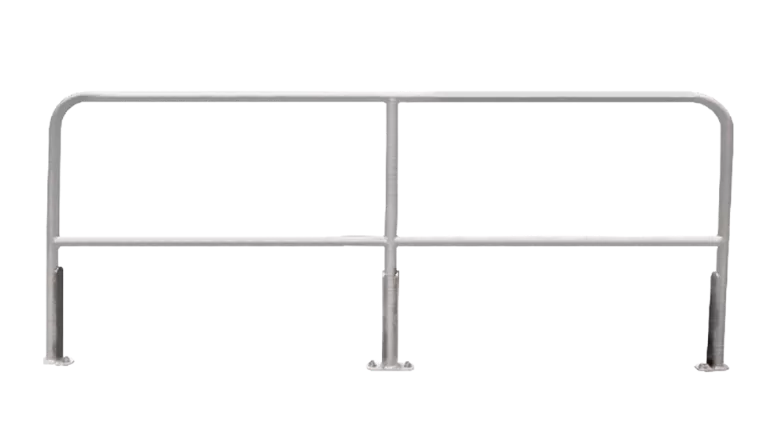
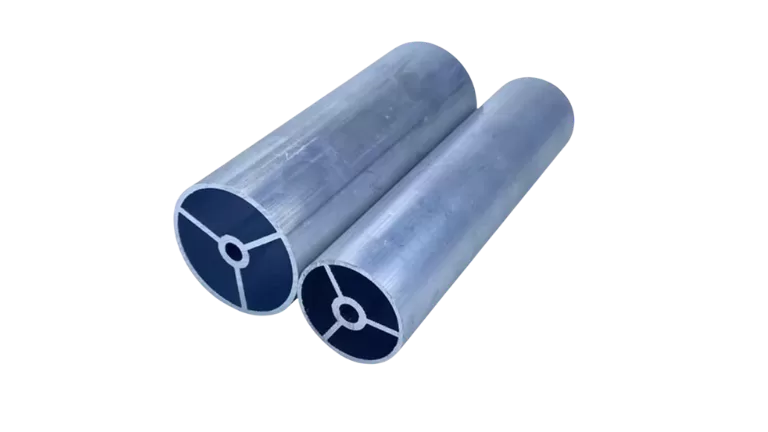
Custom Extruded Aluminium Flat Sided Oval Tube

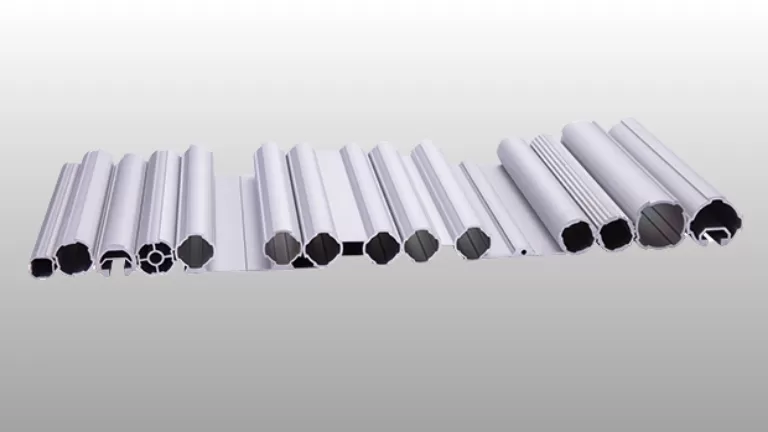
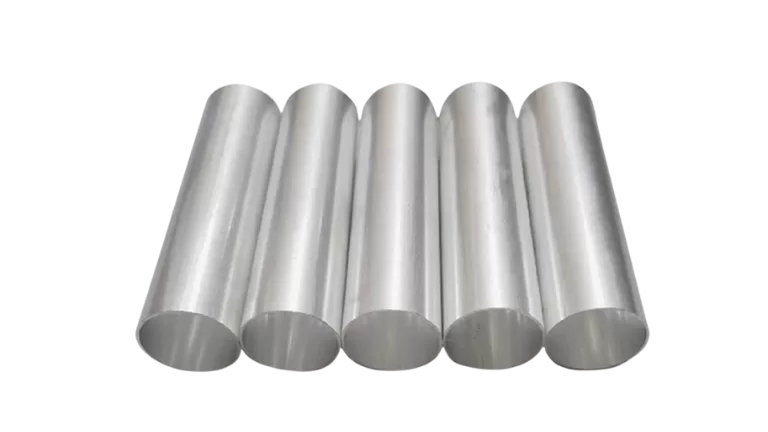
Aluminium Flat Sided Oval Tube is an extruded profile with flat parallel sides and rounded edges, providing a streamlined appearance and efficient use of space. The design allows for easy joining, secure mounting, and enhanced integration into modern structures.
These tubes are valued for their durability, lightweight nature, and corrosion resistance. They are widely used in architectural elements, automotive systems, sports equipment, and custom fabrication where both aesthetics and functionality are required.
Custom Aluminium Flat Sided Oval Tube
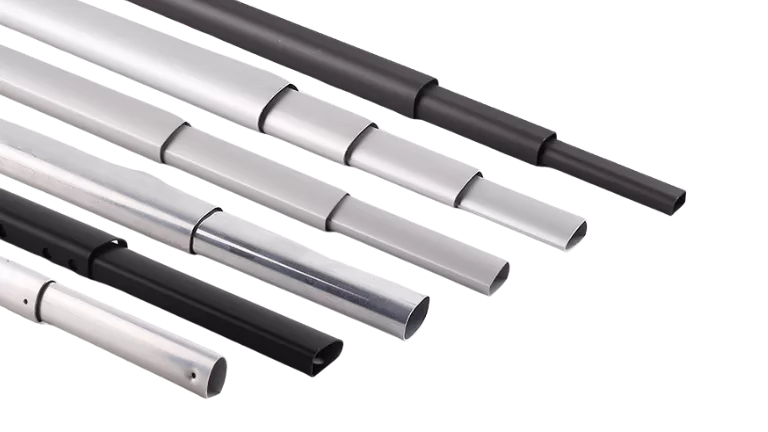
Custom Aluminium Flat Sided Oval Tubes can be manufactured to precise dimensions, wall thicknesses, and finishes to suit specific project requirements. Options include anodizing, powder coating, or mill finish for enhanced durability and appearance. Tailored solutions support specialized applications in architecture, transportation, and equipment manufacturing, ensuring optimal fit and performance.


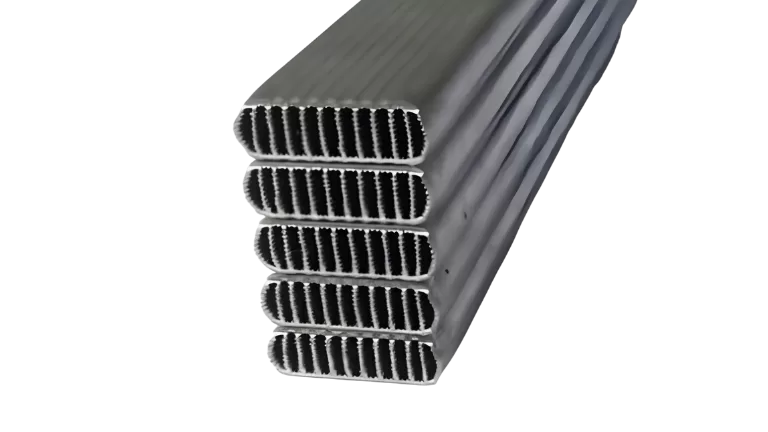

Specification of Flat Sided Oval Tube


| Item | Specification |
|---|---|
| Material | Aluminium alloys such as 6063, 6061, 6005, etc. |
| Shape & Size | Customized (width, height, length as required) |
| Wall Thickness | 0.8mm ~ 6.0mm, customizable |
| Flat Side Width | Customized as required |
| Surface Finish | Anodized, powder coating, mill finish, custom colors |
| Length | Up to 6 meters, or as specified |
| Processing | Cutting, punching, drilling, machining, etc. |
| Tolerance | Dimensions: +/- 0.2mm (high precision up to +/- 0.1mm) Straightness: </=0.1mm/100mm |
Machining Services for Flat Sided Oval Tube

Aluminum Section Extrusion
Our facility features over 40 advanced extrusion lines, including a 6000-ton press, dedicated to producing Aluminium Flat Sided Oval Tubes. We provide a wide selection of sizes, wall thicknesses, and custom options to suit applications in architecture, furniture, transportation, and more. This versatility allows us to meet both standard and specialized requirements across construction, automotive, and precision engineering industries.

Mold Design and Development
We have in-house expertise to design and produce extrusion dies for Aluminium Flat Sided Oval Tubes. Our engineering team works with customers to develop tooling based on their drawings or samples, ensuring precise dimensions and performance. Die development typically takes about 7 days, after which we provide samples for client approval before full production.

Surface Treatment
To improve durability and aesthetics, we offer multiple surface finishes for Aluminium Flat Sided Oval Tubes, such as anodizing for corrosion protection, powder coating in various custom colors, fluorocarbon coating for weather resistance, and wood grain transfer for a natural look. Each finish can be customized to meet specific functional and design needs.
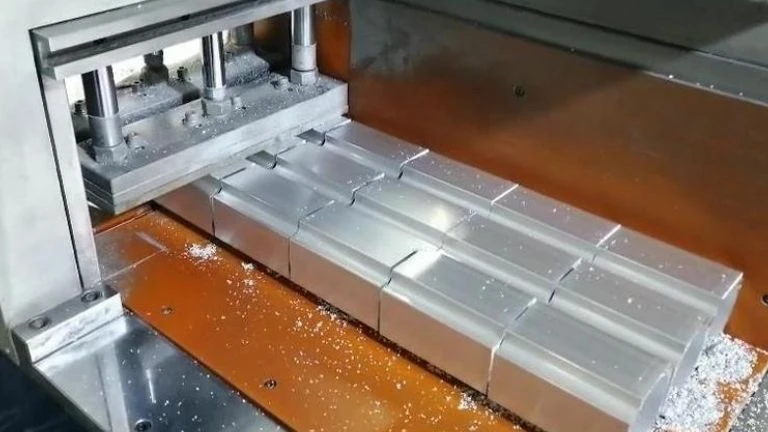
Machining and Fabrication
To meet diverse project needs, we provide comprehensive processing services for Aluminium Flat Sided Oval Tubes. Our capabilities cover CNC machining, milling, threading, drilling, precision cutting, punching, welding, and assembly. These fabrication options enable us to supply finished tubes that align precisely with customer requirements, ensuring convenience, accuracy, and dependable quality in every order.
Materials of Aluminum Flat Sided Oval Tube
Aluminum Flat Sided Oval Tubes are commonly produced using several standard alloy and temper combinations. Each offers distinct advantages in terms of strength, formability, and surface quality to meet the requirements of different applications.
1. 6063-T5
- Features: Excellent extrudability, good surface finish, and moderate strength.
- Typical Applications: Architectural decoration, furniture, window and door frames—where aesthetics are important.
2. 6061-T6
- Features: Higher strength, good weldability, machinability, and corrosion resistance.
- Typical Applications: Transportation components, machinery frames, and structural parts requiring higher mechanical performance.
3. 3003-H112
- Features: Superior corrosion resistance and formability, with lower strength.
- Typical Applications: General industrial use, decorative tubing, and lightweight structures.

Features of Aluminum Flat Sided Oval Tube
1. Lightweight with High Strength: Offers an excellent strength-to-weight ratio, making it suitable for both structural and decorative purposes.
2. Streamlined and Attractive Appearance: The flat-sided oval profile provides a modern look and reduces aerodynamic drag, which is valued in design applications.
3. Excellent Corrosion Resistance: Aluminum’s natural oxide layer helps protect the tube from rust and environmental damage, ensuring long service life.
4. Good Formability and Machinability: Easily cut, bent, or processed to meet various design needs and custom specifications.
5. Versatile Applications: Widely used in architecture, transportation, furniture, and other fields due to its adaptability and aesthetic appeal.

Applications of Aluminum Flat Sided Oval Tube
1. Architectural and Decorative Elements: Used for railings, trim, curtain wall components, and modern building facades due to their aesthetic appearance and light weight.
2. Furniture Manufacturing: Applied in frames for chairs, tables, and shelves, offering both structural support and attractive design.
3. Automotive and Transportation: Utilized in bicycle frames, automotive trim, roof racks, and bus or train handrails where weight reduction and durability are important.
4. Sports and Leisure Equipment: Used in fitness machines, goal posts, and lightweight structural parts for sporting goods.
5. Display and Exhibition Stands: Provides sturdy yet lightweight frameworks for exhibition booths, shelving units, and promotional displays.

Factory Show
Our factory features 40 extrusion lines for efficient aluminum profile production. We offer a full range of surface treatments—including anodizing, electrophoresis, powder coating, sandblasting, and wood grain transfer printing—with advanced equipment. In-house casting, aging, annealing, water cooling, and machining ensure complete control and high-quality results for all products.
RFQ of Extruded Aluminum Profile
The primary aluminum alloys used for extrusion belong to the 6xxx series, specifically 6061, 6063, 6060,6082 and 6066. These alloys are highly favored due to their excellent extrudability, good mechanical properties, and corrosion resistance.
- 6061: A versatile alloy with higher strength, suitable for structural and transportation applications.
- 6063: Known as the “architectural alloy,” it offers excellent surface finish and is widely used for decorative and structural purposes.
- 6060: Similar to 6063 but with slightly lower strength, ideal for intricate and thin-walled profiles.
- 6066: A high-strength alloy within the 6xxx series, often used in more demanding structural applications.
- 6082: A strong alloy with better mechanical properties compared to 6061 and excellent corrosion resistance, commonly used in high-load structural applications and in marine environments.
The 7xxx series alloys, such as 7075, are used in applications requiring extremely high strength and performance, such as aerospace and high-end engineering projects. However, they have lower corrosion resistance when compared to 6xxx alloys and are therefore less commonly used for general extrusion applications.
While 1xxx, 3xxx, and 5xxx series alloys can be extruded, they are generally used infrequently for extrusion due to their lower strength or other limitations compared to 6xxx and 7xxx alloys. These series are mainly used in specialized applications. Additionally, if extrusion products from these series are requested, higher minimum order quantities (MOQ) are typically required for custom production, as their demand is relatively low.
The heat treatment of aluminum extrusions determines their mechanical properties, strength, and suitability for specific applications. Among the various heat treatment methods, T5, T6, and T66 are the most commonly used. Here’s an in-depth look:
| Heat Treatment State | Cooling Method | Strength | Key Features and Benefits | Applications |
|---|---|---|---|---|
| T5 | Air cooling (fan) | Moderate | Adequate strength, good dimensional stability, used for architectural purposes. | Windows, doors, curtain walls, building structures. |
| T6 | Water quenching (fast) | High | Higher strength and hardness, ideal for industrial and structural uses. | Automotive, aerospace, machinery, transport parts. |
| T66 | Water quenching (fast) | Very high | Optimized mechanical properties for higher strength and performance demands. | Automotive, rail transportation, high-end machinery. |
Other Heat Treatment States
- T4: Solution heat-treated and naturally aged. Used in applications requiring intermediate strength and enhanced formability.
- T7: Overaged for better stress-corrosion resistance, often used for aerospace and marine purposes.
- O (Annealed): Very soft condition suitable for extensive forming or bending requirements.
- F (As-Fabricated): No heat treatment applied, used in non-critical applications with low strength requirements.
Aluminum extrusions undergo various surface treatments to enhance aesthetics, corrosion resistance, and functionality. Here are the common surface treatment methods used in the industry:
Main Surface Treatment Methods
Anodizing (Oxidation)
- Process: A controlled electrochemical process that forms a protective oxide layer on the aluminum surface.
- Features:
- Provides a durable, corrosion-resistant, and environmentally friendly finish.
- Produces a metallic finish with a variety of natural tones (e.g., silver, black, bronze).
- Improves surface hardness and protects against scratching.
- Applications: Architectural frames, decorative profiles, heat sinks.
Electrophoresis Coating (E-Coating)
- Process: After anodizing, the aluminum is coated with paint using an electrochemical process.
- Features:
- Enhances corrosion resistance and offers a smooth, glossy finish.
- Provides more color and texture variation compared to anodizing alone.
- Applications: Furniture profiles, indoor architectural components.
Powder Coating
- Process: Electrostatic application of powder paint, followed by curing under high temperature to form a solid coating.
- Features:
- Wide variety of colors and textures.
- Excellent weather resistance and corrosion protection.
- Cost-effective and highly versatile.
- Applications: Outdoor frames, fences, railings, general industrial use.
PVDF Coating (Polyvinylidene Fluoride)
- Process: A specialized fluoropolymer coating is applied in multiple layers, commonly over a pretreated surface.
- Features:
- Exceptional weather resistance and UV stability.
- Highly durable, resistant to fading, chalking, and chemical damage.
- Ideal for long-term outdoor use.
- Applications: Curtain walls, high-performance architectural facades.
Wood Grain Transfer Printing
- Process: A heat-transfer printing process that applies a wood grain effect onto a pre-coated aluminum surface.
- Features:
- Mimics the appearance of wood while retaining aluminum’s durability.
- Lightweight and weather-resistant alternative to natural wood.
- Applications: Furniture, decorative coverings, outdoor panels.
Film Lamination
- Process: Adhesive application of a protective or decorative film onto the aluminum surface.
- Features:
- Provides a glossy, textured, or patterned finish.
- Often used for applications requiring specific textures like marble or leather effects.
- Applications: Interior decor, windows.
Pre-Treatment Processes
Prior to surface treatment, the aluminum surface can be pre-processed for specific textures or finishes:
Brushing/Polishing
- Removes surface imperfections and creates a smooth, reflective finish.
- Often used for decorative purposes.
Sanding/Grinding
- Produces a matte or satin finish by applying abrasives.
Shot Blasting/Sandblasting
- Sprays abrasives at high velocity to create a textured surface, often used before anodizing for a uniform appearance.
Stretching and Tension Leveling
- Straightens the aluminum profile and improves shape accuracy after extrusion.
Cost and Durability Comparison Table
| Treatment Method | Process Cost | Surface Durability | Weather Resistance | Applications |
|---|---|---|---|---|
| Anodizing (Oxidation) | Medium | Very Durable | High | Architectural frames, industrial parts. |
| Electrophoresis (E-Coating) | Medium-High | Durable | Medium | Furniture, indoor parts, decorative uses. |
| Powder Coating | Medium | Highly Durable | High | Outdoor frames, industrial fixtures. |
| PVDF Coating | High | Extremely Durable | Excellent | Curtain walls, high-end exteriors. |
| Wood Grain Printing | Medium | Moderate (topcoat dependent) | Medium | Decorative panels, furniture. |
| Film Lamination | Low-Medium | Moderate | Low | Indoor decorations, windows. |
| Brushing/Sandblasting (Pre-Treatment) | Low | Not Applicable (Preparation only) | N/A | Preparation for further treatment. |
. Anodizing (Oxidation)
- Common Colors:
Natural silver
Black
Champagne
Light bronze
Dark bronze
Gold
2. Electrophoresis Coating (E-Coating)
- Common Colors:
Black
Champagne
Light bronze
Dark bronze
Custom metallic colors
3. Powder Coating
- Colors:
Can match any color based on the RAL color chart.
Offers textures like matte, gloss, satin, and custom finishes.
4. PVDF Coating (Polyvinylidene Fluoride)
- Colors:
Also customizable using the RAL color chart.
High-end finishes with matte or glossy effects.
5. Wood Grain Transfer Printing
- Colors and Patterns:
Mimics various wood types (e.g., oak, walnut, teak, mahogany).
Custom patterns available based on provided samples.
6. Film Lamination
- Colors and Patterns:
Includes textures like marble, leather, and solid colors.
Custom finishes and patterns based on provided samples.
Pre-Treatment Options (Impact on Final Color)
- Brushing/Polishing: Produces smooth or reflective metallic surfaces.
- Sandblasting: Adds a rough, matte texture before the final surface treatment.
We provide a wide range of machining services for aluminum extrusions to meet specific requirements. These include cutting off/section removal, slotting, drilling holes, tapping threads, bending, and localized stamping to create deformations. For example, we can trim extruded profiles to custom lengths, mill precise grooves, create threaded holes for fasteners, bend profiles into specific shapes, or apply localized stamping to achieve custom forms or deformation.
In addition to these processes, we also offer TIG/MIG welding to join aluminum components for a solid structure. Furthermore, our services include assembly of common accessories, such as brackets, corner connectors, screws, hinges, end caps, and rubber seals, providing complete and ready-to-install profile solutions tailored to your project needs. This ensures that we can handle everything from simple cuts to highly customized fabrication and assembly, all with precision and efficiency.
For custom aluminum extrusion projects, we accept a variety of drawing formats, including CAD files, STEP files, and PDF files. However, for extrusions that require additional machining processes, it’s recommended to provide STEP files, as they ensure precise 3D modeling for machining accuracy.
While PDF files are acceptable, converting them into CAD drawings may result in the loss of certain details, requiring us to manually redraw the design, which could increase lead time. For the fastest and most accurate quotation, we recommend providing CAD files (e.g., DWG/DXF) and STEP files to ensure efficient design evaluation and pricing.
Mold fees are an essential part of the custom aluminum extrusion process. Since every order requires a uniquely designed mold tailored to specific requirements, these molds cannot be used for other products. Therefore, the mold fee is necessary and non-negotiable.
We require 100% upfront payment of the mold fee before mold development begins to ensure timely production. However, as a token of appreciation for your support, we offer a refund of the mold fee or equivalent discounts once the order reaches a certain production volume. Specific policies can be discussed based on your order volume and collaboration details.
Our minimum order quantity (MOQ) varies depending on the size of the product. For smaller-sized products, the MOQ is typically 500kg, while for larger-sized products, it is 2 tons.
We will specify the exact MOQ requirements during the quotation process. If your order quantity does not meet the MOQ, we can still arrange production, but an additional fee will be applied to cover mold preheating and production setup time. Rest assured, this extra fee will be reasonable, and we aim to keep it as minimal as possible to ensure smooth cooperation.
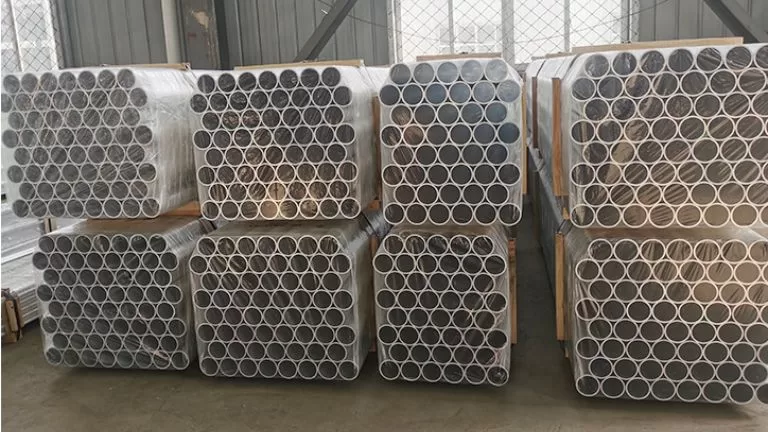
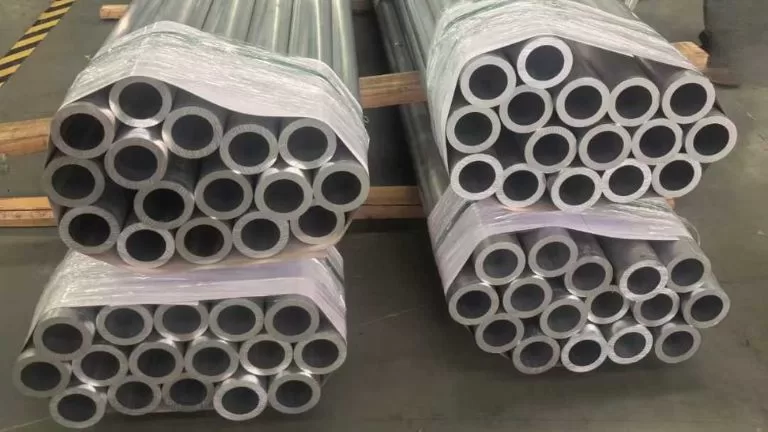
Packaging can be customized according to your needs. Options include using protective film or paper to separate and protect the surface, or foam film for additional surface protection. Products can be palletized or packed into cartons, and the quantity per pallet or carton can be specified by the customer.
The standard packaging involves bundling several pieces together with plastic wrap and then securing them onto pallets. Any packaging requirements beyond the standard will be accommodated, and the associated costs will be clearly provided to the customer.
Mold production typically takes 7 days. After the sample is confirmed, producing a full container load of 26 tons generally requires 14 days for extrusion alone. If surface treatment is required, an additional 3 days will be needed. For machining, extra time will be required depending on the complexity and volume of the machining work. The exact additional time for machining will be determined based on the specific processing requirements.
Aluminum profiles are naturally corrosion-resistant due to the formation of a thin, protective oxide layer when exposed to air or water. This oxide layer is stable and self-repairing, meaning that even if the surface is scratched or cut (such as at exposed ends or during processing), the aluminum will not rust or corrode like iron or steel. Instead, the exposed areas will quickly form a new oxide layer, providing continuous protection against further oxidation.
With proper design, installation, and maintenance, aluminum profiles can last for decades, even in challenging environments. For example, untreated aluminum can easily withstand 20-30 years in outdoor applications, while profiles with surface treatments like anodizing or powder coating can last even longer, often exceeding 50 years. This makes aluminum an excellent choice for applications where durability and long-term performance are essential.
The price of aluminum profiles consists of several components: raw material costs, extrusion processing fees, surface treatment fees, machining costs, and additional packaging fees. Among these, the cost of aluminum as a raw material tends to fluctuate frequently, while other fees remain relatively stable. Due to these fluctuations, our quotations are typically valid for 7 days.
Pricing can be structured in different ways depending on the product and requirements. It can be calculated by weight (e.g., cost per ton), by length (e.g., cost per meter), or by piece (e.g., cost per unit). For products involving extensive machining, such as heat sinks, pricing is generally calculated on a per-piece basis to accurately reflect the additional processing costs. This flexible pricing approach ensures the quote is tailored to the specific needs of the customer.
We can manufacture aluminum profiles in compliance with technical requirements that meet European standards (EN), American standards (ASTM/AA), or other standards as specified by the customer. Custom production is tailored to ensure that the profiles meet the specific standard requirements requested.
Our production equipment is designed for the metric system. If the drawings provided are in the imperial system, we will convert them into metric units for production to ensure accuracy.
It is important to note that while we can machine imperial-threaded holes for fasteners, if you require us to supply matching imperial fasteners, they may not always be available in stock. Custom orders for imperial fasteners typically require a large volume for production. Please consider this when planning your project.
Other Related Products