Colored Anodized Aluminum Profiles
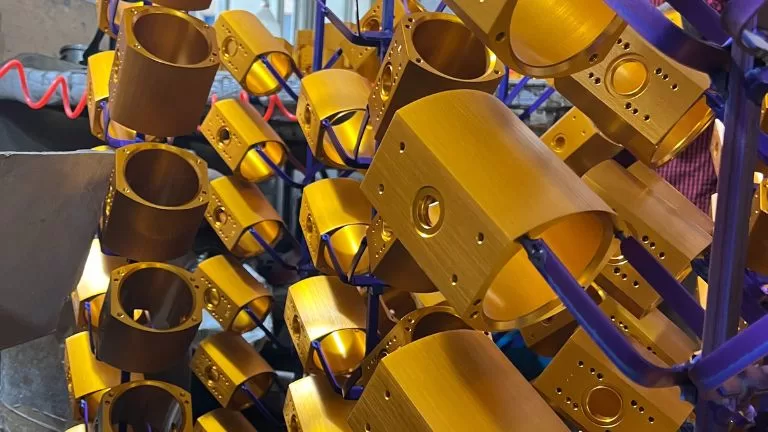
Colored anodized aluminum is a widely used surface treatment that enhances both the appearance and corrosion resistance of aluminum profiles. Through controlled anodizing and coloring processes, a wide range of anodised colours can be achieved while maintaining the durability and performance of the anodized layer.
At HTS-ALU, we provide custom solutions for colored anodized aluminum profiles, supporting architectural systems, decorative applications, and industrial components. Colors can be tailored based on project requirements, with consistent quality and reliable production capacity for custom extrusions.
Types of Colored Anodizing
Colored anodizing can be achieved through different processes depending on color requirements, durability, and application conditions. These methods vary in how color is formed within the anodized layer and how stable the final appearance is.

Electrolytic Coloring
Electrolytic coloring introduces metal salts into the anodized layer to produce stable colors such as bronze, black, and champagne. This method offers excellent color durability and is widely used in architectural aluminum profiles.
Dye Anodizing
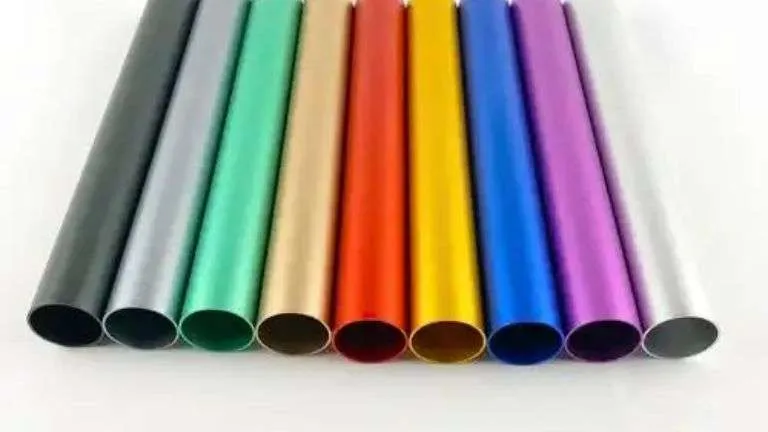
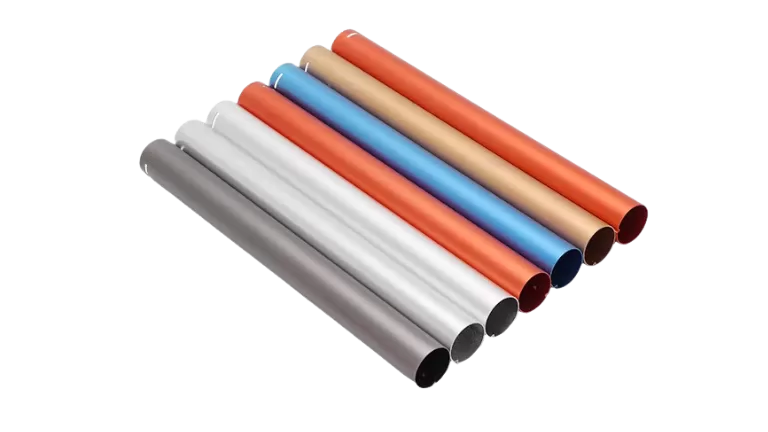
Dye anodizing adds organic dyes into the porous anodized layer, allowing a wide range of colors such as red, blue, green, and gold. It is suitable for decorative and consumer applications requiring vibrant colors.

Two-Step Coloring Process
The two-step coloring process combines anodizing and electrolytic coloring to improve color consistency and corrosion resistance. It is commonly used for exterior aluminum applications where long-term color stability is required.
Anodized Aluminum Colors
Colored anodized aluminum offers a wide range of color options for both decorative and functional applications. Through controlled anodizing and coloring processes, different anodised colours can be achieved while maintaining durability and corrosion resistance.
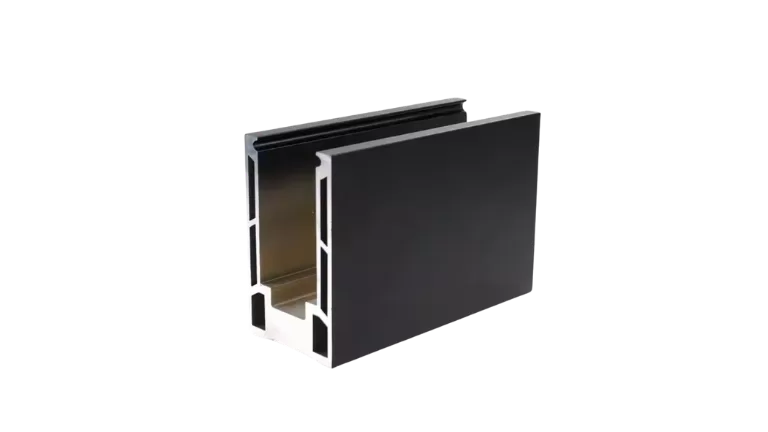
Black Anodized Aluminum

Bronze Anodized Aluminum
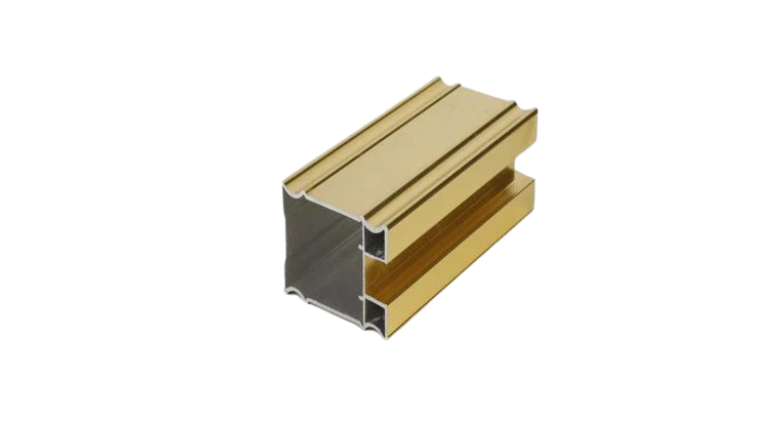
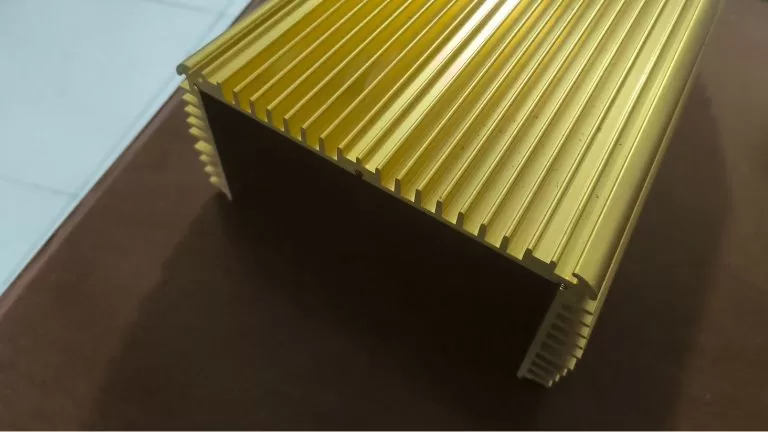
Gold Anodized Aluminum

Red Anodized Aluminum

Blue Anodized Aluminum

Green Anodized Aluminum
Custom colors are available based on samples or project requirements, ensuring consistent anodized finishes across different batches.
Surface Finishes of Anodized Aluminum
In addition to color options, anodized aluminum can achieve different surface finishes to meet various aesthetic and functional requirements. These finishes affect surface texture, reflectivity, and overall visual appearance, making them suitable for both decorative and industrial applications.

Satin Anodized Aluminum
Satin anodized aluminum features a smooth, low-reflective surface with a soft metallic texture. It provides a balance between gloss and matte finishes, making it one of the most commonly used surface options for architectural and decorative applications.

Matte Anodized Aluminum
Matte anodized aluminum offers a non-reflective surface that reduces glare and fingerprints. It is suitable for applications requiring a clean, understated appearance.

Brushed Anodized Aluminum
Brushed anodized aluminum combines mechanical brushing with anodizing to create a linear texture. This finish enhances the visual depth of aluminum surfaces and is widely used in decorative panels and high-end applications.
Applications of Colored Anodized
Colored anodized aluminum is widely used in applications where both appearance and durability are required. It provides stable color, corrosion resistance, and long-lasting performance for both decorative and functional components.

Colored anodized aluminum profiles are widely used in window and door systems, providing durable finishes and stable color for residential and commercial applications.

Anodized aluminum is commonly used for decorative trims, edge profiles, and interior design elements. Different colors and finishes allow flexible design options.

Colored anodized aluminum is used in handrails and railing systems, offering corrosion resistance and long-term durability for indoor and outdoor environments.

Toys & Decorative Items
For toys and decorative components, color anodizing provides a vibrant and durable finish while maintaining lightweight properties.

Consumer Electronics
Colored anodized aluminum is widely used in electronic housings and components, offering a premium appearance and surface protection.
Industrial Components
In industrial applications, anodized aluminum provides surface protection while allowing color identification for different parts or systems.
Color Anodizing Process
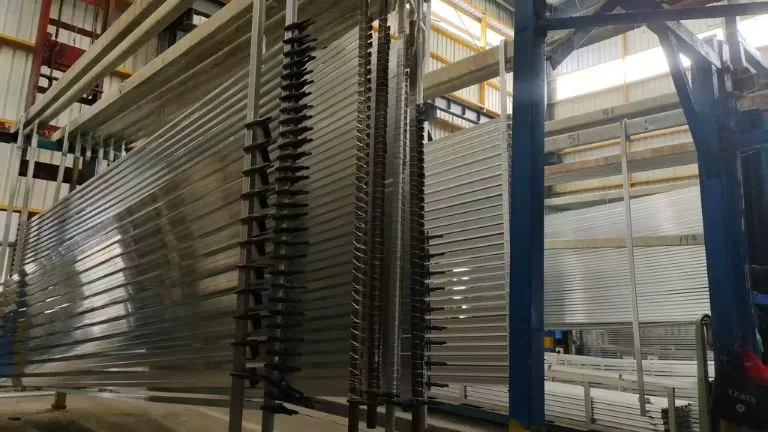
The color anodizing process involves forming an oxide layer on aluminum and introducing color into the porous structure, followed by sealing to ensure durability. This process allows aluminum profiles to achieve both decorative appearance and long-term performance.
Anodizing
Aluminum profiles undergo an electrochemical process to form a porous oxide layer on the surface. This layer provides the base for color absorption and improves corrosion resistance.
Coloring
Color is introduced into the anodized layer through dyeing or electrolytic coloring methods. This step determines the final appearance, allowing a wide range of anodized colors for different applications.
Sealing
Sealing closes the pores of the anodized layer to lock in the color and improve corrosion resistance. Proper sealing ensures color stability and long-term durability, especially for outdoor use.
Color Consistency & Limitations of Anodized Aluminum
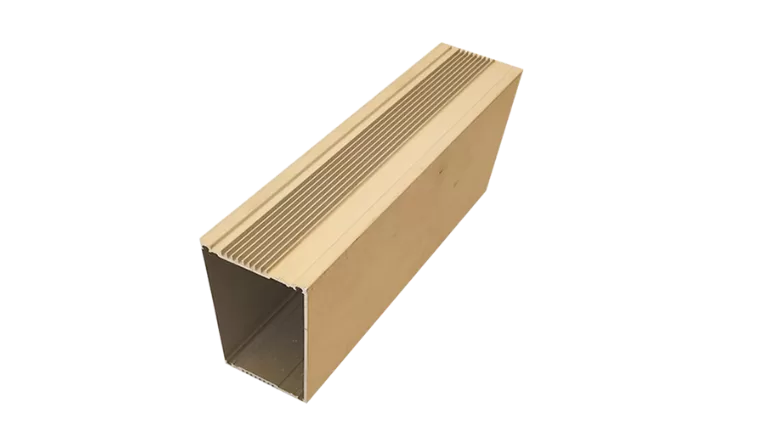
While colored anodized aluminum provides a wide range of decorative options, color consistency may vary depending on material selection and process control. Understanding these factors helps achieve more stable and predictable anodized finishes.
Alloy Composition
Different aluminum alloys can produce slightly different color tones after anodizing. Variations in elements such as silicon or copper may affect color uniformity and final appearance.
Process Parameters
Anodizing conditions such as current density, temperature, electrolyte composition, and processing time directly influence color depth and uniformity. Even small variations in these parameters can lead to visible differences in anodized colours.
Batch Variations
Slight color variations may occur between different production batches, especially for large projects or repeat orders. This is a normal characteristic of the anodizing process and should be considered in design and production planning.
Thickness & Surface Preparation
Coating thickness and surface preparation methods (such as brushing or sandblasting) can significantly influence the final appearance. A thicker anodized layer may result in deeper color tones, while inconsistent pretreatment can affect uniformity.
We apply strict process control and quality inspection to ensure consistent anodized colors for your project requirements.
Best Aluminum Alloys for Anodizing
Selecting the right aluminum alloy is essential to achieve the desired anodized appearance and performance. Different alloys respond differently to the anodizing process in terms of color consistency, surface quality, and coating uniformity.
6063 Aluminum (Best for Appearance)
6063 aluminum is the most commonly used alloy for anodized aluminum profiles. It provides a smooth surface and excellent color consistency, making it ideal for architectural and decorative applications.
6061 Aluminum (Balanced Performance)
6061 aluminum offers higher strength while still maintaining acceptable anodizing quality. It is widely used for structural and industrial components where both strength and surface protection are required.
6005 / 6082 Aluminum (Structural Use)
6005 and 6082 alloys are often used for structural applications. While they provide higher strength, the anodized surface may be slightly less uniform compared to 6063.
7075 Aluminum (High Strength, Limited Appearance)
7075 aluminum provides very high strength but is less suitable for decorative anodizing. The anodized surface may appear darker and less consistent due to alloy composition.
Manufacturing Capability for Colored Anodizing
At HTS-ALU, we provide stable and consistent colored anodizing solutions supported by dedicated production facilities and strict process control.
We operate a complete anodizing production line for aluminum profiles, ensuring uniform oxide layer formation and consistent surface quality across different batches. Our process control allows stable coating thickness and reliable performance for both architectural and industrial applications.
Our coloring capability includes both dye anodizing and electrolytic coloring processes, enabling a wide range of anodized colors. We can match colors based on samples or project requirements, ensuring consistency and repeatability for custom orders.