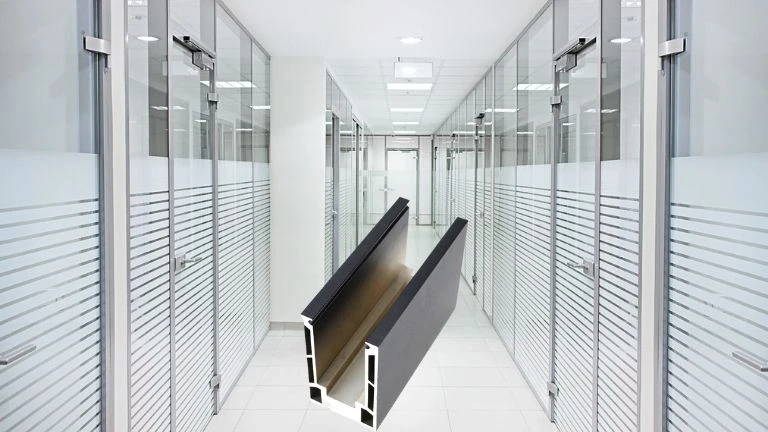
Custom Extruded Aluminum Interior Railing Profile

Aluminum interior railing refers to a barrier system, primarily made from aluminum extrusions, designed for indoor applications such as staircases, lofts, and balconies. Aluminum extrusion technology allows for the creation of complex and precise profiles, enabling a wide range of designs, from minimalistic modern to intricate decorative styles, to fit different interior aesthetics and safety needs.
These railings are valued for being lightweight, durable, and resistant to corrosion, which ensures long-term performance with minimal upkeep inside the home or commercial spaces. The versatility of extruded aluminum profiles also means they can seamlessly incorporate glass panels, cables, or decorative inserts, making aluminum interior railings both a functional safety feature and a stylish architectural element.
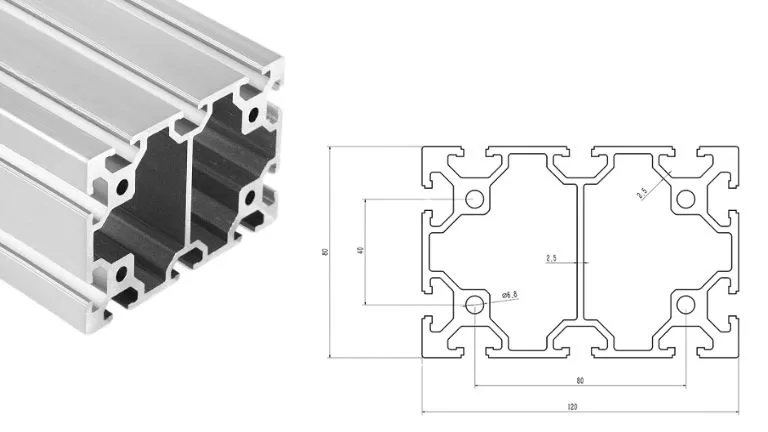
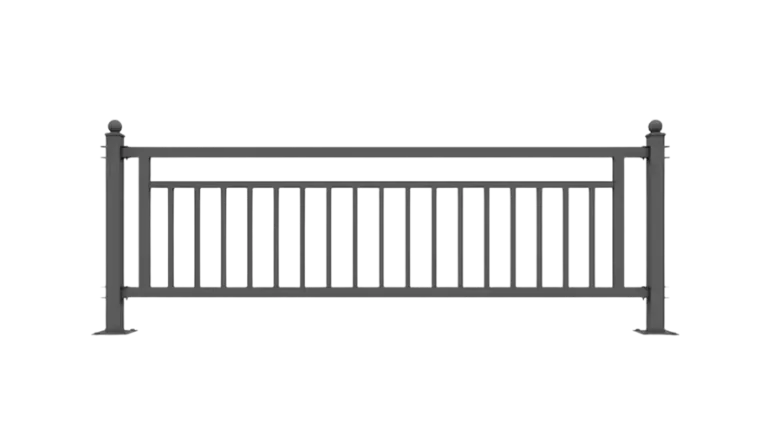
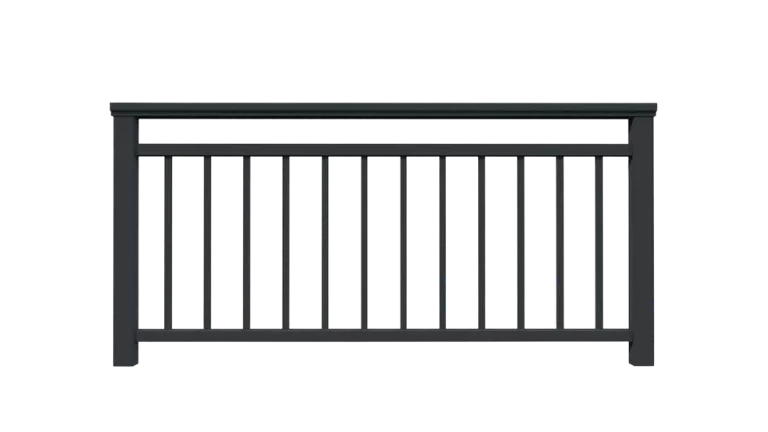
Aluminum Interior Railing Profile

Handrail Profile
1. Shape: Circular, oval, or rounded rectangular, designed for ergonomic grip.
2. Surface: Smooth or with anti-slip textures (e.g., knurled or grooved finishes).
3. Function: Top-mounted for safety and aesthetics; may include integrated LED lighting or concealed wiring channels.

Post Profile
1. Shape: Square, round, or custom-designed hollow sections (e.g., 40×40 mm, 50×50 mm).
2. Features: Pre-drilled holes or slots for easy installation; reinforced walls for structural stability.
3. Mounting: Often paired with adjustable base plates or anchor sleeves for floor/wall attachment.

Baluster Profile
1. Types: Round tubes (e.g., Ø25 mm), square tubes, or flat bar designs (e.g., 15×15 mm).
2. Spacing: Standard gaps ≤100 mm for safety compliance (child-safe).
3. Integration: Compatible with glass clamps, infill panels, or decorative caps.

Aluminum Interior Railing Surface Finish
We provide a comprehensive selection of high-performance surface finishes for aluminum interior railings, from sleek anodized coatings to realistic wood grain effects. Each option is engineered to enhance durability while complementing modern architectural styles—perfect for residential, commercial, or hospitality projects.


1. Anodized Finish: Anodizing forms a tough, corrosion-resistant surface that is highly uniform and color-stable. Common color options include natural silver, black, champagne, and bronze, with a smooth matte or satin appearance.
2. Powder Coated Finish: Powder coating creates a durable and protective layer available in a wide variety of colors and textures—from glossy to matte. This finish enhances visual appeal while adding scratch and weather resistance.
3. Brushed Finish: Brushed aluminum features fine linear texture achieved by mechanical brushing. This finish gives railings a sleek, modern look while helping to conceal fingerprints and minor scratches.
4. Wood Grain Finish: Wood grain finishes use advanced technology to replicate the natural look of wood on aluminum. This option delivers the warmth and style of wood with the strength and low maintenance of aluminum.
Aluminum Alloy Grades for Interior Railing
Aluminum interior railings are valued for their combination of lightweight strength, durability, and excellent surface finish options. To meet these requirements, several specific aluminum alloy grades are widely used in the industry.
6063 Aluminum Alloy
The most popular grade for architectural applications, 6063 offers excellent extrudability, superior corrosion resistance, and a smooth surface finish—making it ideal for anodizing and powder coating.6061 Aluminum Alloy
Known for its higher strength compared to 6063, 6061 is often used when enhanced mechanical properties are required. It also offers good corrosion resistance and machinability, suitable for railing components that endure higher loads.6005/6005A Aluminum Alloy
This alloy provides a balance of strength and formability and is used for railing systems that require greater structural performance than standard 6063.

Applications of Aluminum Interior Railing
Aluminum interior railings are widely used for their durability, modern appearance, and flexibility in design.
In homes and apartments, they enhance the safety and look of staircases, balconies, and loft areas.
In commercial spaces such as offices, hotels, malls, and restaurants, they provide stylish and reliable barriers.
Public facilities like hospitals, schools, airports, and museums use aluminum railings to ensure safety in busy areas.
In multi-family residential buildings, corridors, lobbies, and other shared spaces often feature aluminum railings for both function and aesthetic appeal.
Retail shops, cafes, and showrooms choose aluminum railings for their sleek style and easy maintenance.

Machining Services for Aluminum Interior Railing
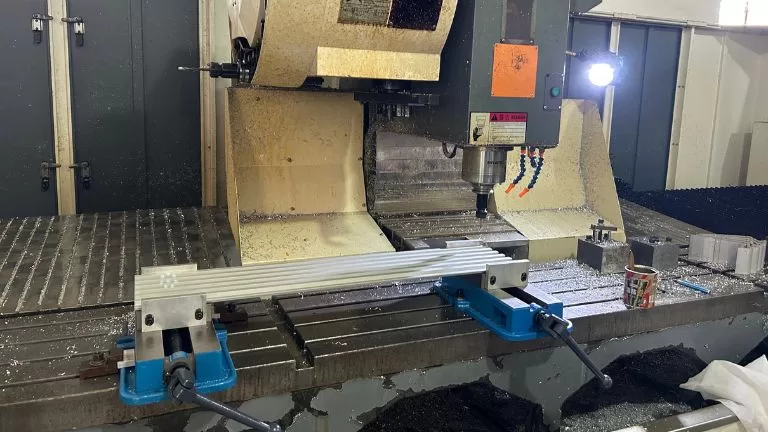
We offer precision machining services for aluminum interior railing systems, ensuring each component meets strict architectural and functional requirements. Utilizing advanced CNC machining centers and high-accuracy cutting equipment, we achieve dimensional tolerances as tight as ±0.1 mm for various railing profiles and fittings.

Our capabilities include accurate cutting, custom-shape milling, and drilling holes with diameters from 3 mm to 30 mm, enabling the production of specialized brackets, connection points, and mounting features. Rigorous quality control—including 100% dimensional inspection and full material traceability—guarantees consistent quality and reliable assembly for all interior railing projects.
Features of Aluminum Interior Railing
Lightweight & High Strength
Aluminum railings are easy to handle and install while providing robust structural support.
Corrosion Resistance
Naturally resistant to rust and tarnish, ensuring long-lasting performance indoors.
Modern Aesthetics
Sleek profiles and customizable finishes suit a variety of contemporary interior styles.
Versatile Design
Easily fabricated into different shapes and compatible with glass or wood panels.
Low Maintenance
Requires only occasional cleaning, with no need for painting or staining.
Sustainability
Aluminum is recyclable, making it an eco-friendly choice.

Our Factory
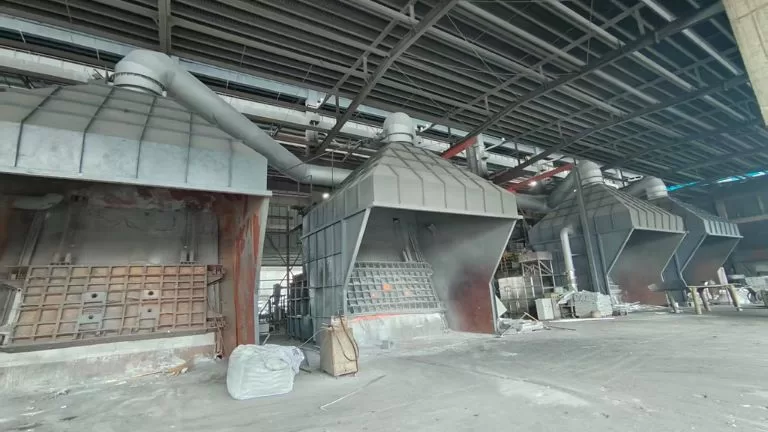
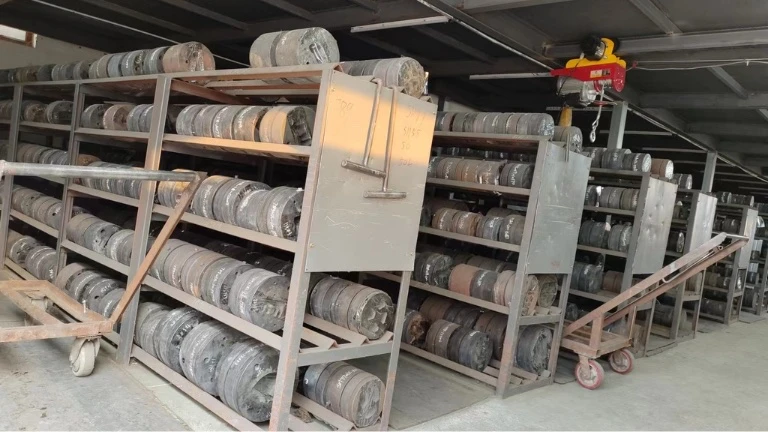
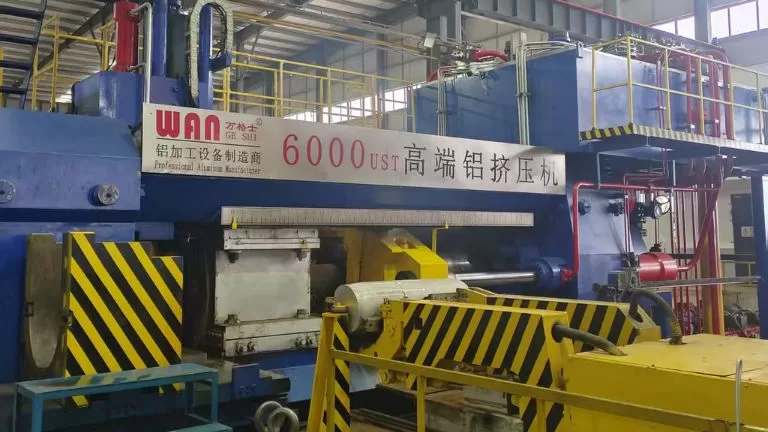
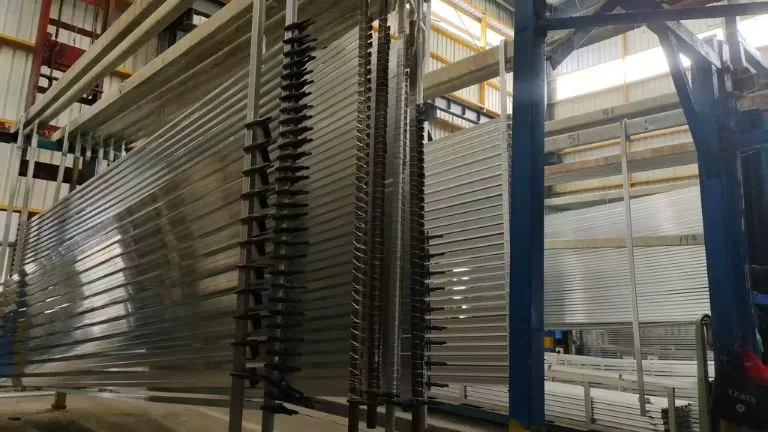
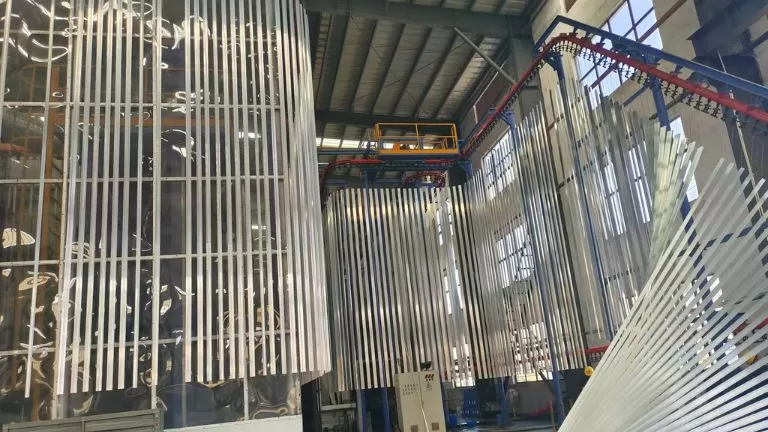
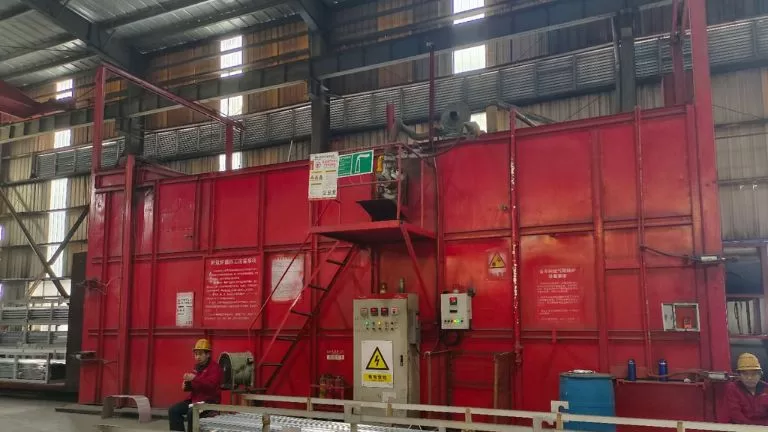
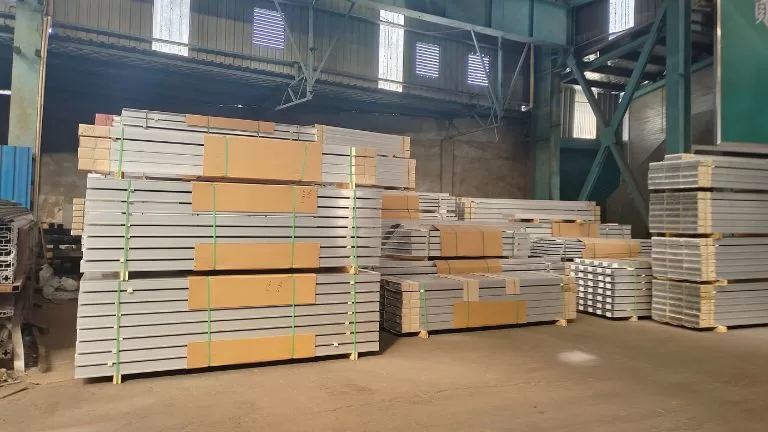
Our facility features 40 advanced extrusion lines, enabling the efficient production of aluminum profiles. For surface finishing, we operate dedicated lines for anodizing and electrophoresis, as well as both vertical and horizontal powder coating systems. We also offer specialized treatments with sandblasting machines and six lines for wood grain transfer printing, providing diverse decorative options. Supporting our manufacturing process are aluminum bar casting furnaces, aging and annealing furnaces, water-cooling systems, and a complete set of machining equipment, ensuring we can deliver high-quality products with exceptional versatility and finish.
Custom Interior Railing from Us
- Customized Design Profiles: Wide selection of shapes, infills, and connections tailored to your interior style.
- Premium Surface Treatments: Durable finishes including anodizing, powder coating, and custom colors.
- Accurate Fabrication & Machining: Precision cutting and assembly for seamless installation.
- Versatile Mechanical Performance: Multiple alloy tempers available to meet safety and strength needs.
Partner with HTS NEW MATERIALS for innovative, reliable, and customized aluminum interior railing solutions that elevate the look and functionality of your project.
RFQ of Extruded Aluminum Interior Railing
Installation Guidelines
Accurate Measurement:
Measure the installation area precisely to determine the correct position and dimensions for your railing system.Preparation and Inspection:
Pre-assemble and inspect all parts and accessories to ensure completeness and quality before installation.Post Installation:
Securely mount the posts to the floor or steps using appropriate anchors or hardware for a stable base.Handrail and Panel Assembly:
Attach the handrails and infill panels or bars, ensuring everything is level and properly aligned.Final Adjustments:
Tighten all fasteners and make any necessary adjustments for safety and visual appeal.
Maintenance Advice
Regular Cleaning:
Clean the aluminum surfaces with a soft cloth and mild soap solution to remove dust and stains.Protection from Chemicals:
Avoid contact with harsh chemicals or abrasive materials to maintain the finish.Routine Hardware Check:
Inspect screws, bolts, and connectors periodically and tighten as needed to ensure stability.Surface Maintenance:
For minor scratches, use suitable touch-up solutions. Contact a professional for more severe damage.
The primary aluminum alloys used for extrusion belong to the 6xxx series, specifically 6061, 6063, 6060,6082 and 6066. These alloys are highly favored due to their excellent extrudability, good mechanical properties, and corrosion resistance.
- 6061: A versatile alloy with higher strength, suitable for structural and transportation applications.
- 6063: Known as the “architectural alloy,” it offers excellent surface finish and is widely used for decorative and structural purposes.
- 6060: Similar to 6063 but with slightly lower strength, ideal for intricate and thin-walled profiles.
- 6066: A high-strength alloy within the 6xxx series, often used in more demanding structural applications.
- 6082: A strong alloy with better mechanical properties compared to 6061 and excellent corrosion resistance, commonly used in high-load structural applications and in marine environments.
The 7xxx series alloys, such as 7075, are used in applications requiring extremely high strength and performance, such as aerospace and high-end engineering projects. However, they have lower corrosion resistance when compared to 6xxx alloys and are therefore less commonly used for general extrusion applications.
While 1xxx, 3xxx, and 5xxx series alloys can be extruded, they are generally used infrequently for extrusion due to their lower strength or other limitations compared to 6xxx and 7xxx alloys. These series are mainly used in specialized applications. Additionally, if extrusion products from these series are requested, higher minimum order quantities (MOQ) are typically required for custom production, as their demand is relatively low.
The heat treatment of aluminum extrusions determines their mechanical properties, strength, and suitability for specific applications. Among the various heat treatment methods, T5, T6, and T66 are the most commonly used. Here’s an in-depth look:
| Heat Treatment State | Cooling Method | Strength | Key Features and Benefits | Applications |
|---|---|---|---|---|
| T5 | Air cooling (fan) | Moderate | Adequate strength, good dimensional stability, used for architectural purposes. | Windows, doors, curtain walls, building structures. |
| T6 | Water quenching (fast) | High | Higher strength and hardness, ideal for industrial and structural uses. | Automotive, aerospace, machinery, transport parts. |
| T66 | Water quenching (fast) | Very high | Optimized mechanical properties for higher strength and performance demands. | Automotive, rail transportation, high-end machinery. |
Other Heat Treatment States
- T4: Solution heat-treated and naturally aged. Used in applications requiring intermediate strength and enhanced formability.
- T7: Overaged for better stress-corrosion resistance, often used for aerospace and marine purposes.
- O (Annealed): Very soft condition suitable for extensive forming or bending requirements.
- F (As-Fabricated): No heat treatment applied, used in non-critical applications with low strength requirements.
Aluminum extrusions undergo various surface treatments to enhance aesthetics, corrosion resistance, and functionality. Here are the common surface treatment methods used in the industry:
Main Surface Treatment Methods
Anodizing (Oxidation)
- Process: A controlled electrochemical process that forms a protective oxide layer on the aluminum surface.
- Features:
- Provides a durable, corrosion-resistant, and environmentally friendly finish.
- Produces a metallic finish with a variety of natural tones (e.g., silver, black, bronze).
- Improves surface hardness and protects against scratching.
- Applications: Architectural frames, decorative profiles, heat sinks.
Electrophoresis Coating (E-Coating)
- Process: After anodizing, the aluminum is coated with paint using an electrochemical process.
- Features:
- Enhances corrosion resistance and offers a smooth, glossy finish.
- Provides more color and texture variation compared to anodizing alone.
- Applications: Furniture profiles, indoor architectural components.
Powder Coating
- Process: Electrostatic application of powder paint, followed by curing under high temperature to form a solid coating.
- Features:
- Wide variety of colors and textures.
- Excellent weather resistance and corrosion protection.
- Cost-effective and highly versatile.
- Applications: Outdoor frames, fences, railings, general industrial use.
PVDF Coating (Polyvinylidene Fluoride)
- Process: A specialized fluoropolymer coating is applied in multiple layers, commonly over a pretreated surface.
- Features:
- Exceptional weather resistance and UV stability.
- Highly durable, resistant to fading, chalking, and chemical damage.
- Ideal for long-term outdoor use.
- Applications: Curtain walls, high-performance architectural facades.
Wood Grain Transfer Printing
- Process: A heat-transfer printing process that applies a wood grain effect onto a pre-coated aluminum surface.
- Features:
- Mimics the appearance of wood while retaining aluminum’s durability.
- Lightweight and weather-resistant alternative to natural wood.
- Applications: Furniture, decorative coverings, outdoor panels.
Film Lamination
- Process: Adhesive application of a protective or decorative film onto the aluminum surface.
- Features:
- Provides a glossy, textured, or patterned finish.
- Often used for applications requiring specific textures like marble or leather effects.
- Applications: Interior decor, windows.
Pre-Treatment Processes
Prior to surface treatment, the aluminum surface can be pre-processed for specific textures or finishes:
Brushing/Polishing
- Removes surface imperfections and creates a smooth, reflective finish.
- Often used for decorative purposes.
Sanding/Grinding
- Produces a matte or satin finish by applying abrasives.
Shot Blasting/Sandblasting
- Sprays abrasives at high velocity to create a textured surface, often used before anodizing for a uniform appearance.
Stretching and Tension Leveling
- Straightens the aluminum profile and improves shape accuracy after extrusion.
Cost and Durability Comparison Table
| Treatment Method | Process Cost | Surface Durability | Weather Resistance | Applications |
|---|---|---|---|---|
| Anodizing (Oxidation) | Medium | Very Durable | High | Architectural frames, industrial parts. |
| Electrophoresis (E-Coating) | Medium-High | Durable | Medium | Furniture, indoor parts, decorative uses. |
| Powder Coating | Medium | Highly Durable | High | Outdoor frames, industrial fixtures. |
| PVDF Coating | High | Extremely Durable | Excellent | Curtain walls, high-end exteriors. |
| Wood Grain Printing | Medium | Moderate (topcoat dependent) | Medium | Decorative panels, furniture. |
| Film Lamination | Low-Medium | Moderate | Low | Indoor decorations, windows. |
| Brushing/Sandblasting (Pre-Treatment) | Low | Not Applicable (Preparation only) | N/A | Preparation for further treatment. |
. Anodizing (Oxidation)
- Common Colors:
Natural silver
Black
Champagne
Light bronze
Dark bronze
Gold
2. Electrophoresis Coating (E-Coating)
- Common Colors:
Black
Champagne
Light bronze
Dark bronze
Custom metallic colors
3. Powder Coating
- Colors:
Can match any color based on the RAL color chart.
Offers textures like matte, gloss, satin, and custom finishes.
4. PVDF Coating (Polyvinylidene Fluoride)
- Colors:
Also customizable using the RAL color chart.
High-end finishes with matte or glossy effects.
5. Wood Grain Transfer Printing
- Colors and Patterns:
Mimics various wood types (e.g., oak, walnut, teak, mahogany).
Custom patterns available based on provided samples.
6. Film Lamination
- Colors and Patterns:
Includes textures like marble, leather, and solid colors.
Custom finishes and patterns based on provided samples.
Pre-Treatment Options (Impact on Final Color)
- Brushing/Polishing: Produces smooth or reflective metallic surfaces.
- Sandblasting: Adds a rough, matte texture before the final surface treatment.
We provide a wide range of machining services for aluminum extrusions to meet specific requirements. These include cutting off/section removal, slotting, drilling holes, tapping threads, bending, and localized stamping to create deformations. For example, we can trim extruded profiles to custom lengths, mill precise grooves, create threaded holes for fasteners, bend profiles into specific shapes, or apply localized stamping to achieve custom forms or deformation.
In addition to these processes, we also offer TIG/MIG welding to join aluminum components for a solid structure. Furthermore, our services include assembly of common accessories, such as brackets, corner connectors, screws, hinges, end caps, and rubber seals, providing complete and ready-to-install profile solutions tailored to your project needs. This ensures that we can handle everything from simple cuts to highly customized fabrication and assembly, all with precision and efficiency.
For custom aluminum extrusion projects, we accept a variety of drawing formats, including CAD files, STEP files, and PDF files. However, for extrusions that require additional machining processes, it’s recommended to provide STEP files, as they ensure precise 3D modeling for machining accuracy.
While PDF files are acceptable, converting them into CAD drawings may result in the loss of certain details, requiring us to manually redraw the design, which could increase lead time. For the fastest and most accurate quotation, we recommend providing CAD files (e.g., DWG/DXF) and STEP files to ensure efficient design evaluation and pricing.
Mold fees are an essential part of the custom aluminum extrusion process. Since every order requires a uniquely designed mold tailored to specific requirements, these molds cannot be used for other products. Therefore, the mold fee is necessary and non-negotiable.
We require 100% upfront payment of the mold fee before mold development begins to ensure timely production. However, as a token of appreciation for your support, we offer a refund of the mold fee or equivalent discounts once the order reaches a certain production volume. Specific policies can be discussed based on your order volume and collaboration details.
Our minimum order quantity (MOQ) varies depending on the size of the product. For smaller-sized products, the MOQ is typically 500kg, while for larger-sized products, it is 2 tons.
We will specify the exact MOQ requirements during the quotation process. If your order quantity does not meet the MOQ, we can still arrange production, but an additional fee will be applied to cover mold preheating and production setup time. Rest assured, this extra fee will be reasonable, and we aim to keep it as minimal as possible to ensure smooth cooperation.
Packaging can be customized according to your needs. Options include using protective film or paper to separate and protect the surface, or foam film for additional surface protection. Products can be palletized or packed into cartons, and the quantity per pallet or carton can be specified by the customer.
The standard packaging involves bundling several pieces together with plastic wrap and then securing them onto pallets. Any packaging requirements beyond the standard will be accommodated, and the associated costs will be clearly provided to the customer.
Mold production typically takes 7 days. After the sample is confirmed, producing a full container load of 26 tons generally requires 14 days for extrusion alone. If surface treatment is required, an additional 3 days will be needed. For machining, extra time will be required depending on the complexity and volume of the machining work. The exact additional time for machining will be determined based on the specific processing requirements.
Aluminum profiles are naturally corrosion-resistant due to the formation of a thin, protective oxide layer when exposed to air or water. This oxide layer is stable and self-repairing, meaning that even if the surface is scratched or cut (such as at exposed ends or during processing), the aluminum will not rust or corrode like iron or steel. Instead, the exposed areas will quickly form a new oxide layer, providing continuous protection against further oxidation.
With proper design, installation, and maintenance, aluminum profiles can last for decades, even in challenging environments. For example, untreated aluminum can easily withstand 20-30 years in outdoor applications, while profiles with surface treatments like anodizing or powder coating can last even longer, often exceeding 50 years. This makes aluminum an excellent choice for applications where durability and long-term performance are essential.
The price of aluminum profiles consists of several components: raw material costs, extrusion processing fees, surface treatment fees, machining costs, and additional packaging fees. Among these, the cost of aluminum as a raw material tends to fluctuate frequently, while other fees remain relatively stable. Due to these fluctuations, our quotations are typically valid for 7 days.
Pricing can be structured in different ways depending on the product and requirements. It can be calculated by weight (e.g., cost per ton), by length (e.g., cost per meter), or by piece (e.g., cost per unit). For products involving extensive machining, such as heat sinks, pricing is generally calculated on a per-piece basis to accurately reflect the additional processing costs. This flexible pricing approach ensures the quote is tailored to the specific needs of the customer.
We can manufacture aluminum profiles in compliance with technical requirements that meet European standards (EN), American standards (ASTM/AA), or other standards as specified by the customer. Custom production is tailored to ensure that the profiles meet the specific standard requirements requested.
Our production equipment is designed for the metric system. If the drawings provided are in the imperial system, we will convert them into metric units for production to ensure accuracy.
It is important to note that while we can machine imperial-threaded holes for fasteners, if you require us to supply matching imperial fasteners, they may not always be available in stock. Custom orders for imperial fasteners typically require a large volume for production. Please consider this when planning your project.
Other Related Products