
Types of Aluminium Awnings| Explore Your Options
What Is An Aluminum Awning?
An aluminum awning is a protective cover made from high-quality aluminum, typically using extruded aluminum frames for enhanced strength and lightweight structure. The extruded components are assembled with aluminum panels to provide shade and shelter for windows, doors, patios, or commercial spaces. Aluminum awnings are valued for their durability, weather resistance, and low maintenance, making them ideal for both residential and commercial buildings. They are available in various sizes, styles, and colors to meet different architectural requirements.

What Are The Aluminum Awning Types?
Aluminum awnings come in several common types, each designed to meet different architectural and functional needs. They are widely valued for their durability, weather resistance, and low maintenance, making them a popular choice for providing shade and protection in both residential and commercial settings.
Fixed Aluminum Awning
1. Permanently installed above windows, doors, or patios
2. Made from extruded aluminum for high strength and durability
3. Provides continuous shade and reliable protection from rain, snow, and sunlight
4. Low maintenance thanks to rust-resistant and weatherproof material
5. Suitable for both residential and commercial buildings

Retractable Aluminum Awning
1. Features a strong aluminum frame with an extendable and retractable mechanism
2. Allows flexible adjustment of shading or sunlight as needed
3. Ideal for patios, decks, balconies, and outdoor dining areas
4. Easy to operate manually or with a motorized system
5. Durable, lightweight, and designed for long-term use

Aluminum Window Awning
1. Specifically fitted above windows to block direct sunlight and reduce indoor heat
2. Improves energy efficiency by decreasing cooling costs
3. Shields windows from rain and UV rays, extending window lifespan
4. Enhances both the appearance and comfort of home or office interiors
5. Available in various styles, shapes, and colors to match different buildings

Aluminum Door Awning
1. Installed over entry doors to protect from rain, snow, and sun exposure
2. Helps preserve the door finish and prevent weathering or water damage
3. Creates a dry, sheltered area at the entrance for added convenience
4. Easy to clean and resistant to rust and corrosion
5. Can be matched to the architecture for a unified look

Aluminum Patio Cover
1. Large, robust structure built with extruded aluminum beams and panels
2. Provides full coverage for patios, terraces, or outdoor leisure spaces
3. Offers excellent protection from the elements, making outdoor areas usable year-round
4. Often designed to accommodate lighting or fans for extra comfort
5. Modern, rust-proof design ensures long-lasting appearance and minimal maintenance

Aluminum Awning Materials & Manufacturing Process
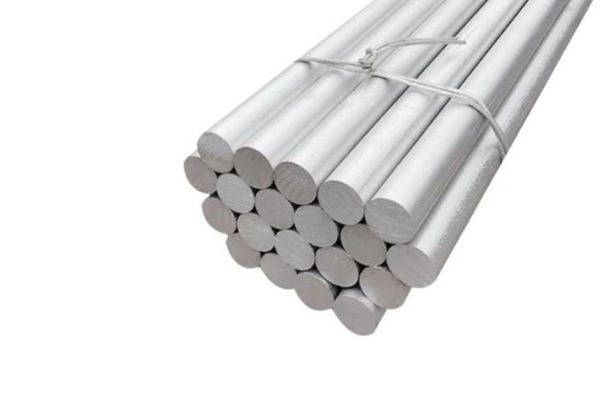
Aluminum Alloy Selection
For high-quality aluminum awnings, the most commonly used alloys are 6061 and 6063.
- 6061 aluminum is valued for its excellent strength, good corrosion resistance, and structural stability. It is suitable for load-bearing components, such as frames or brackets.
- 6063 aluminum features superior surface smoothness, excellent extrudability, and good corrosion resistance, making it ideal for visible parts or decorative profiles.
Both alloys deliver reliable performance in outdoor conditions and ensure that the finished product is stable, lightweight, and long-lasting.
Surface Treatment Processes
To further enhance durability and aesthetics, aluminum awnings undergo specialized surface treatments:
- Anodizing: This electrochemical process increases the thickness of the natural oxide layer, strengthening corrosion resistance and allowing for a wide range of color options. Anodized surfaces are also easy to clean and resistant to fading.
- Powder Coating: Powder coating provides an environmentally friendly, scratch-resistant finish with uniform color. It is applied electrostatically and then cured by heat for a smooth, tough coating that protects against UV radiation and harsh weather.
- Baking Paint (Enamel Paint): This process involves applying a layer of paint and then baking it at high temperature for enhanced adhesion and gloss. It offers additional choices for color and glossiness, further improving the product’s appearance and protection.

Machining Process Overview
The machining of aluminum awning components consists of several precision steps to ensure both structural strength and an attractive appearance:
Cutting:
Aluminum profiles are accurately cut to specified lengths and shapes using CNC saws or laser cutters. This guarantees every part matches the design requirements.Bending/Forming:
Essential components are bent or formed with hydraulic or CNC machines to achieve the required angles or curves, ensuring a precise fit and structural reliability.Punching and Drilling:
Advanced punching and drilling equipment is used to create holes for mounting, drainage, or assembly, enabling easy installation and enhancing performance.

Energy Efficiency and Environmental Benefits
Temperature Reduction:
Aluminum awnings block direct sunlight, reducing indoor heat gain and lowering air conditioning usage.
Energy Savings:
Installing awnings can decrease cooling energy consumption by up to 25%, resulting in lower electricity costs.
Eco-Friendly Material:
Aluminum is highly recyclable and can be repeatedly reused, supporting sustainable building practices.
Government Incentives:
In some areas, energy-efficient awnings qualify for building subsidies or government incentives, further reducing overall costs.

Conclusion
Aluminum awnings are a smart investment for anyone seeking long-lasting shelter, improved energy efficiency, and enhanced outdoor comfort. With numerous types available, from fixed and retractable models to louvered and custom designs, there’s an aluminum awning to suit every need and taste. Take the time to evaluate your space and requirements, and you’ll find the perfect solution to boost your property’s aesthetics and functionality.